Chapter 3
Basic data
Flight, population, education and healthcare — the key figures on the situation in Afghanistan.
On this page
- 3.1 Flight from Afghanistan
- 3.2 Population growth and age structure
- 3.3 Education
- 3.3.1 Education in Afghanistan up to 2021
- 3.3.2 Education in Afghanistan since 2021
- 3.4 Healthcare
- 3.4.1 Availability of medicines
- 3.4.2 Care for pregnant women, women in labor and newborns
- 3.4.3 Infectious diseases
- 3.5 Economic situation
- 3.6 Humanitarian situation
Flight from Afghanistan
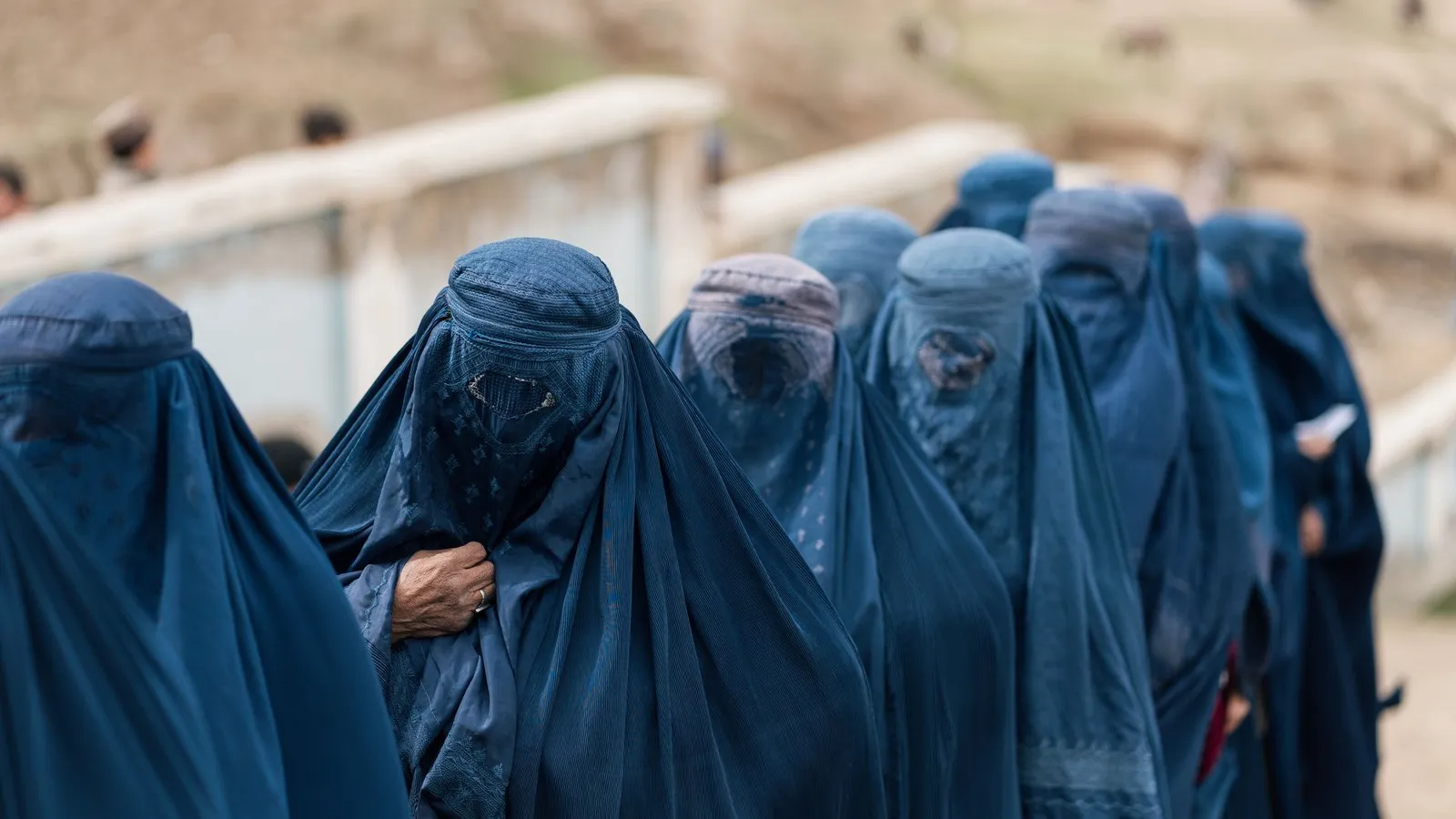
According to the United Nations, 2.6 million Afghan refugees were registered worldwide at the end of 2021. Of these, 2.2 million were in the neighboring countries. In addition, there were 3.5 million internally displaced persons, joined since 2021 by a further 800,000 new internally displaced persons. In 2021, women and children accounted for around 80 percent of Afghan refugees (UNHCR 2024).
Population growth and age structure
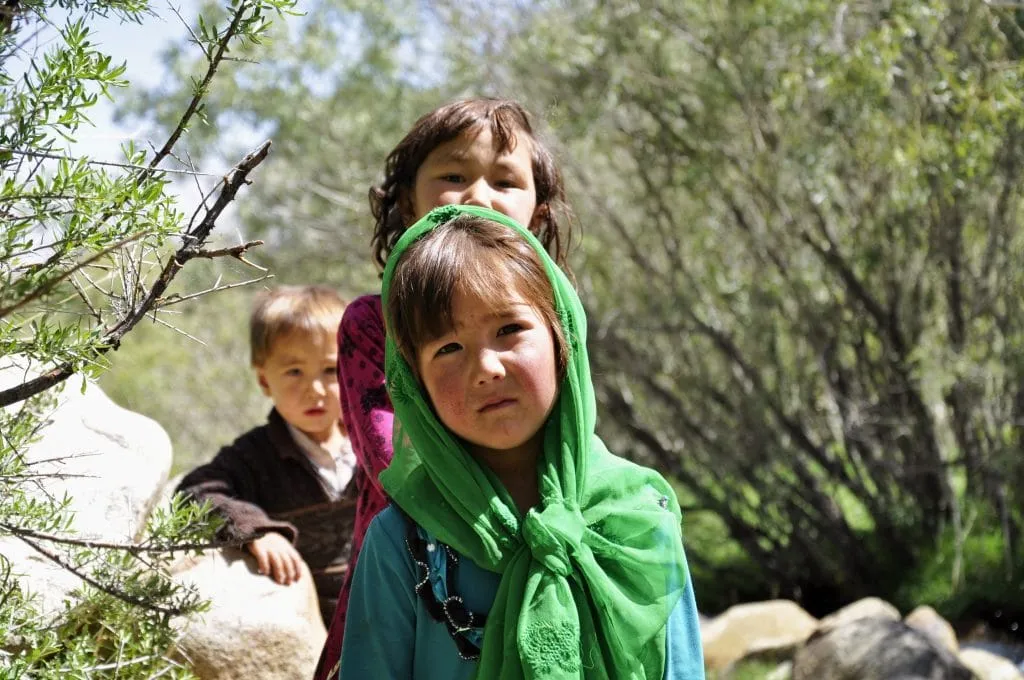
Afghanistan’s population growth is characterized by a high birth rate and a very young age structure. In 2020, the statistical birth rate was 4.2 children per woman. Despite several wars, the Afghan population grew almost threefold between 1980 and 2020 – from 13.4 million to 40.2 million people (WBOD 2024).
For 2021, the UNHCR reports the following age structure (UNHCR 2024):
43.4 % of the population were between 0 and 14 years old,
54.2 % between 15 and 64 years old,
2.4 % were 65 years or older.
Education
Education in Afghanistan up to 2021
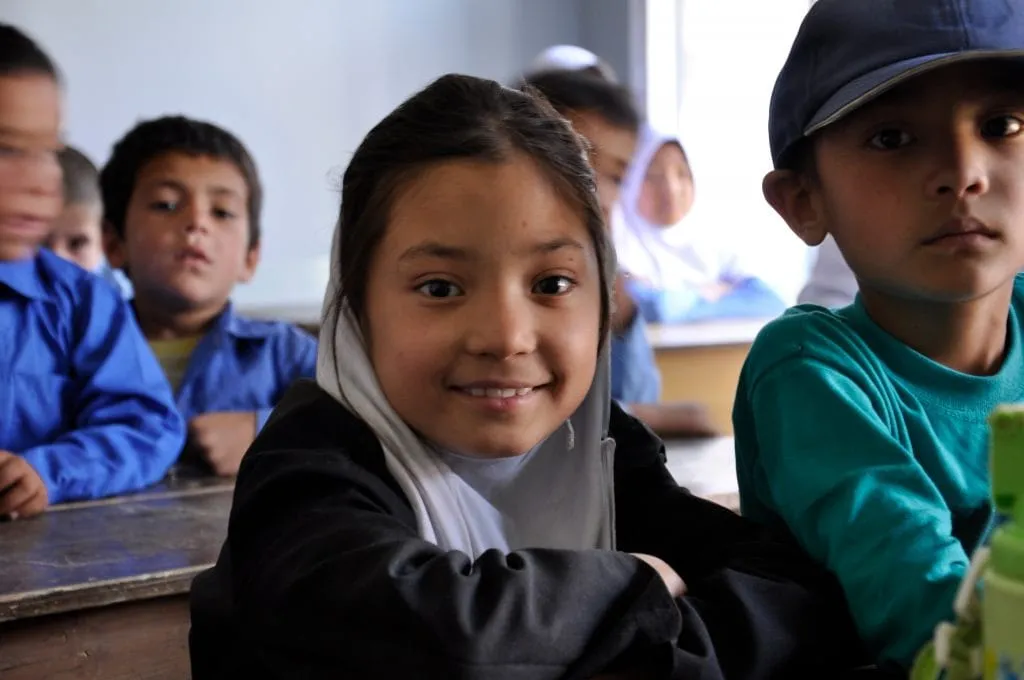
In 2001, the United Nations Development Programme (UNDP) found that there were no girls in schools in Afghanistan. By 2021, however, the number of female pupils had risen to 2.5 million (Bamf 2022).
Between 2001 and 2018, the total number of pupils increased tenfold to over ten million. At the same time, the literacy rate rose from 18 % to 43 %. According to estimates from 2018, 56 % of men and 30 % of women aged 15 and over were able to read and write (Bmz 2024).
According to the Ministry of Education, over nine million children and young people were in school education. Girls accounted for around 39 % of the total number of pupils. Nevertheless, around 40 % of all children of school age (of them about 50 % of girls) did not attend school regularly. A survey from June 2018 showed that 3.7 million children aged 7 to 17 were not attending any educational institution – caused by ongoing conflict, high poverty rates and the discrimination against girls.
In total, there were 14,888 general education schools in Afghanistan, of which:
6,211 primary schools (six years),
3,856 lower secondary schools,
4,821 upper secondary schools.
In addition, there were 162 vocational schools and 1,068 Islamic schools (Austrian Centre for Country of Origin and Asylum Research and Documentation 2016).
Education in Afghanistan since 2021
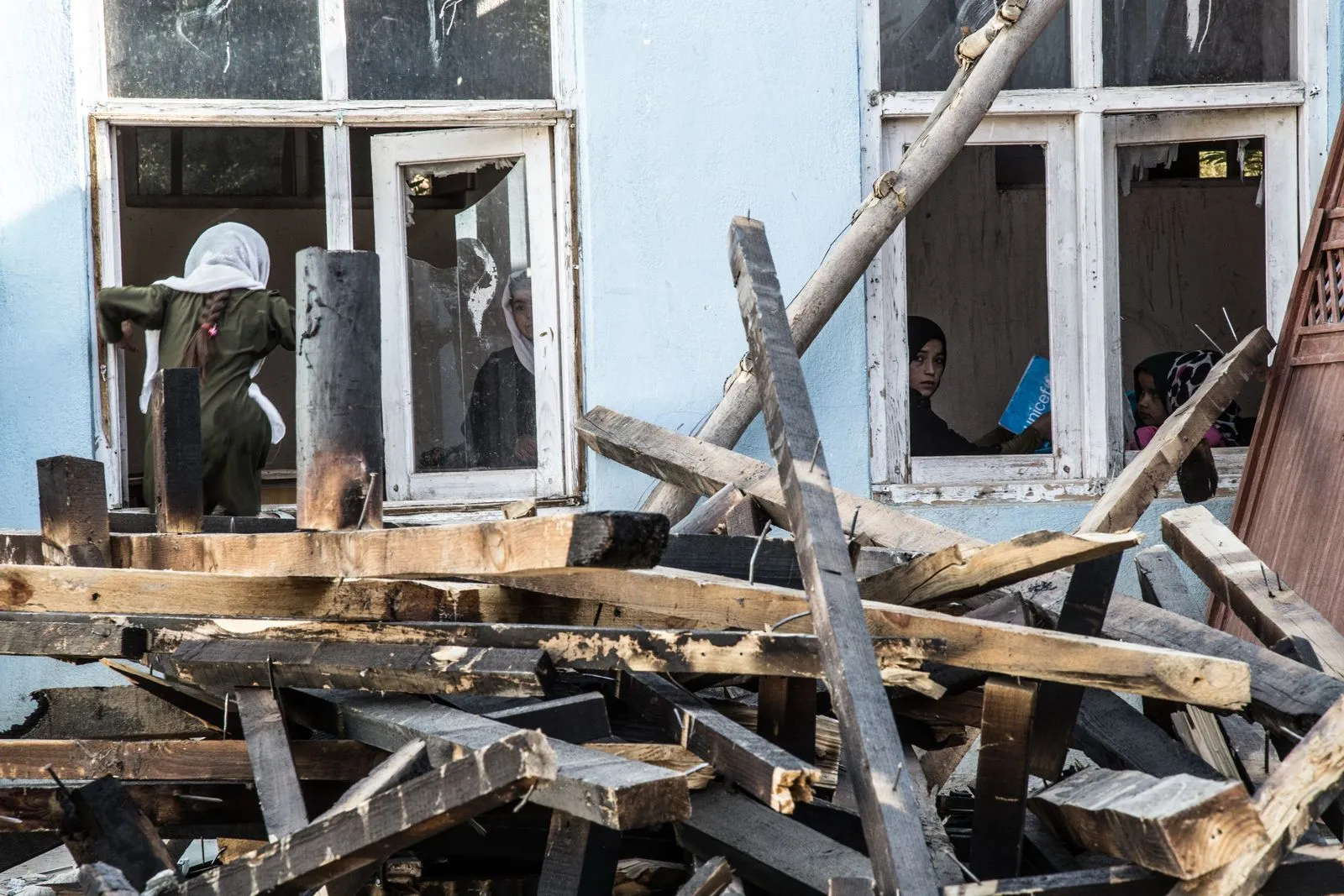
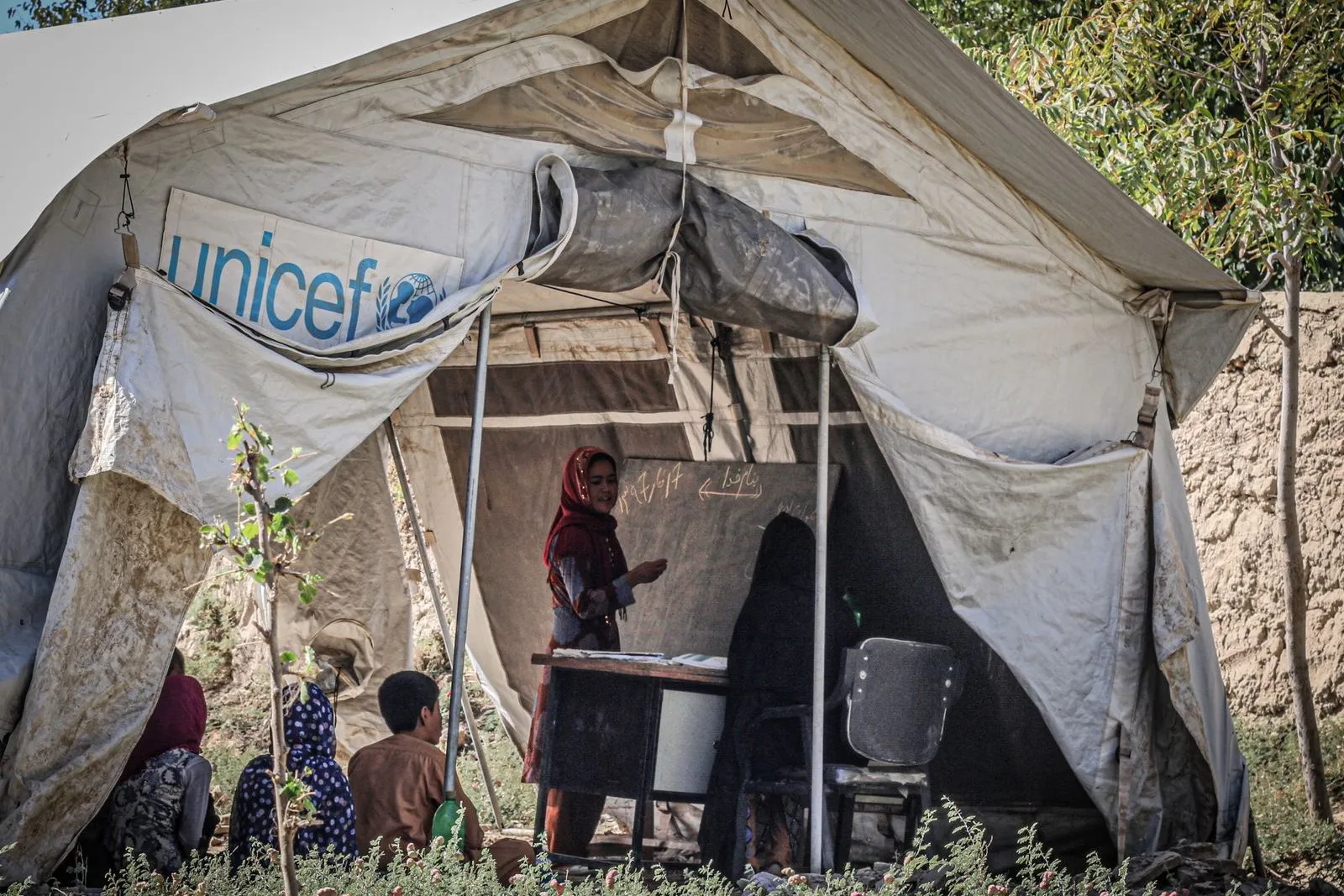
One month after their renewed seizure of power, the Taliban arranged for the reopening of primary schools (up to and including grade 6) for boys and girls. Nevertheless, girls’ access to primary education remains restricted.
The Taliban ordered that girls may only be taught by female teachers. However, since only 34 % of the teaching staff were female before the seizure of power, many pupils could not be taught at all or not adequately because of the shortage of female teachers (Bamf 2024a).
Healthcare
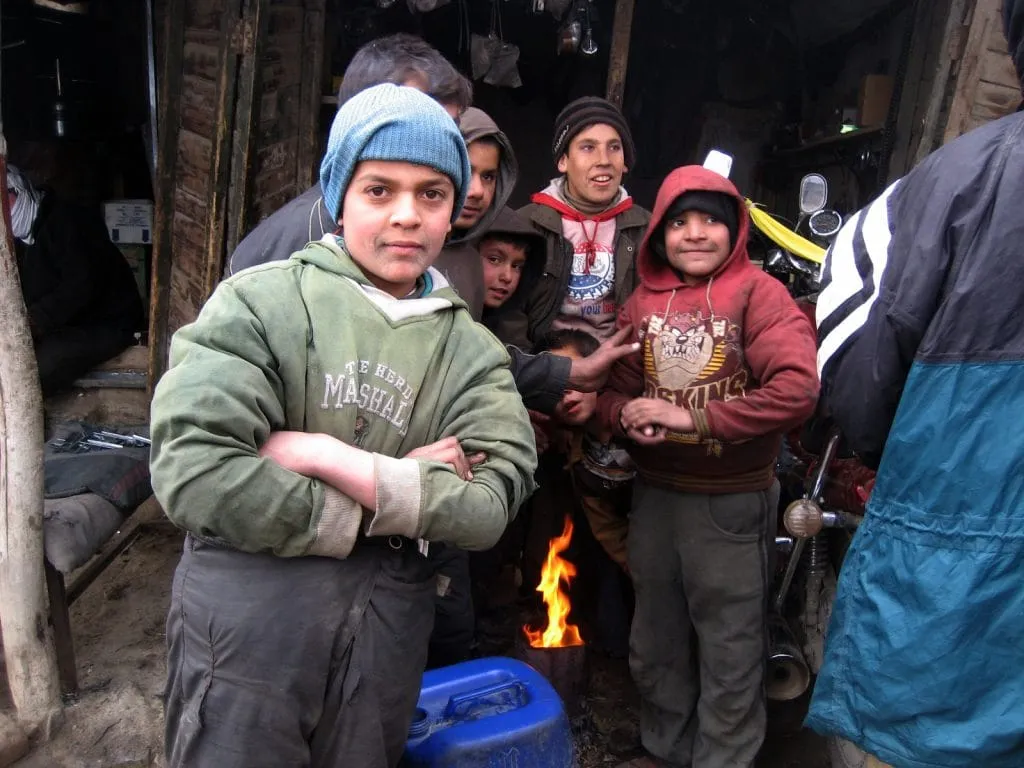
The Afghan healthcare system was of very low quality overall. According to a report by Human Rights Watch (May 2021), the ratio of doctors, nurses and midwives to the population was only 4.6 per 10,000 people. In 2017, the number of psychiatrists was just 0.023 per 10,000 inhabitants. Medical care was significantly better in the cities than in rural areas.
In principle, care was free of charge, but patients often had to pay for the necessary equipment and medicines themselves. This led to serious problems, for example with maternal mortality, which did fall from 1,450 to 638 cases per 100,000 live births between 2000 and 2017, but was still far above the global average of 211 per 100,000. The average life expectancy of women was 66.7 years in 2020, around eight years below the global average (Bamf 2024b).
After the Taliban seizure of power, the state healthcare system, 80 % of which was financed from abroad, largely collapsed. Public provision, which had previously been organized by non-governmental organizations via the Ministry of Health, lost its most important source of funding. Many facilities could neither procure supplies nor pay their staff and had to close. According to studies, 35 % of healthcare facilities do not have clean drinking water. Investments in the healthcare system were sharply reduced by the Taliban, and there is no long-term financing plan.
A large part of the costs was subsequently covered by the United Nations, but only in the short term and inadequately. The International Committee of the Red Cross (ICRC) also took responsibility for some facilities for two years, but stated that it could not secure long-term funding. In isolated cases, clinics were supported by donations from the Afghan diaspora.
For many families, the long distances to medical care and the costs were the biggest obstacle. Treatment abroad was unaffordable for most. Women were particularly affected:
There is not enough female healthcare staff.
In many regions, women are not allowed to visit healthcare facilities alone.
Families are often less willing to spend money on care for women and girls.
These factors meant that women suffer to a particular degree from inadequate medical care (Bamf 2024a).
Availability of medicines
Since the Taliban seizure of power, an increase in difficulties importing medicines has been observed. The causes include restrictions on international payments and frequent interruptions to trade with Pakistan.
Even before 2021, many medicines reached Afghanistan via smuggling routes, which created an unregulated market. Since the seizure of power, however, this problem has worsened considerably. Large international NGOs have meanwhile begun to import their own medicines. For smaller organizations, however, this approach is not feasible, which considerably restricts their scope for action (Bamf 2024a).
Care for pregnant women, women in labor and newborns
Inadequate healthcare has particularly serious consequences for pregnant women and women in labor. According to studies by Doctors Without Borders (MSF), the number of acutely malnourished pregnant and breastfeeding women has risen by 76 % compared with the previous year.
Since many regions have only difficult access to medical facilities with adequate obstetric care, numerous women still have to give birth to their children at home without professional care. The maternal mortality rate is 620 per 100,000 live births – the highest figure in all of Asia.
It must be assumed that this figure will continue to rise, because the restrictions in the education system mean that no new female healthcare staff can be trained (Bamf 2024a).
Infectious diseases
Because of widespread malnutrition and the lack of clean drinking water, among other factors, Afghanistan’s already weak healthcare system is overburdened by a multitude of preventable diseases. There are repeated outbreaks of infectious diseases such as measles, polio and cholera.
Inadequate medical care is regarded as the main reason for the emergence and rapid spread of these diseases. The World Health Organization (WHO) reported a significant increase in acute respiratory infections in January 2024, particularly among children under five. In the first three weeks of 2024, 292 people died from these infections (Bamf 2024a).
Economic situation
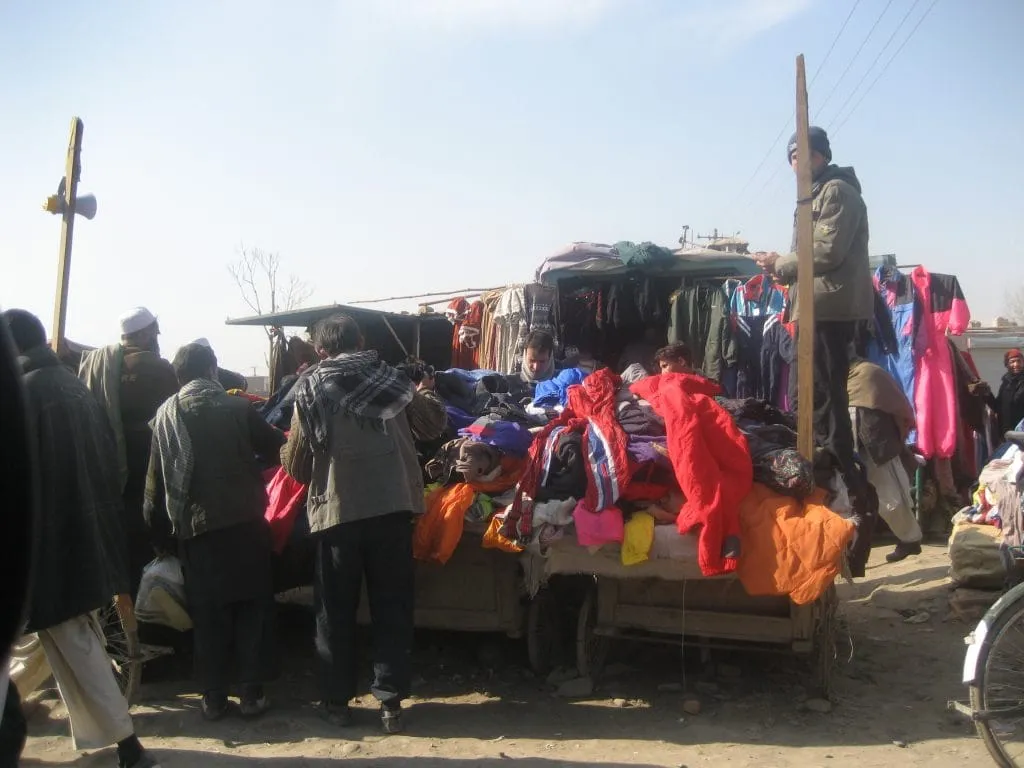
Even before the Taliban seizure of power, the Afghan economic and financial system was marked by considerable deficits and was highly dependent on international funding. In 2020, international aid money accounted for around 43 % of gross domestic product (GDP). The financial sector was also shaped by this: the US dollar played a central role, as the US government regularly supplied the Afghan central bank (DAB) with foreign currency. This was auctioned off in Kabul in order to stabilize the value of the afghani (AFN). While private individuals used the afghani in everyday life, trade was conducted largely in US dollars. Around 60 % of bank deposits were therefore held in foreign currency, predominantly USD. With the Taliban seizure of power in August 2021, this fragile system collapsed. The loss of international financial flows and of access to foreign exchange reserves led to a lasting financial and economic crisis (Bamf 2024a).
Cost of living: Costs have risen significantly since summer 2021. This was due to the financial and economic crisis, rising import costs for food as a result of the war in Ukraine, and temporary border closures. Although wheat prices fell in 2023 according to the World Bank, staple foods such as rice and bread remained significantly more expensive than before the seizure of power (Bamf 2024a).
Unemployment: After 2021, there were massive layoffs, particularly of public employees, women and members of ethnic minorities. Private companies also cut staff. Demand for work grew strongly, driven by population growth and the precarious situation of many households. Striking was the increase in employment among women, who were three times as likely to be in work as in 2020 – mostly, however, in domestic activities such as sewing or cooking. Among men, unemployment remained stable at a high level, while it increased among young men between 14 and 25. In addition, Afghans deported from Pakistan and Iran streamed onto the labor market. According to the World Bank, one in three young men remained without work, and among young women the rate was even higher. Even those in employment were often underemployed. The World Bank does not forecast any improvement in the situation (Bamf 2024a).
Wages: After their seizure of power, the Taliban initially refused to pay salaries to public employees. From March 2022, payments were resumed, but were significantly reduced. Many employees were also transferred to lower positions, while Taliban fighters were given preference for promotion to higher positions. Pensions for former employees are mostly no longer paid. Many people turned to self-employment, which however led to unstable incomes. In March 2024, unskilled day laborers earned 305 AFN (4.19 USD) per day, with an average of two working days per week. For skilled workers, the daily wage was 637 AFN (8.45 USD). Given the Minimum Expenditure Basket (MEB), several incomes per family are necessary to secure the subsistence minimum (Bamf 2024a).
Poverty rate: In 2023, 62 % of households had only an insufficient or barely sufficient budget for food – often only by going without other basic needs. Since neither an economic recovery is foreseeable nor humanitarian aid appears to be permanently secured, the poverty rate is expected to rise again (Bamf 2024a).
Social and family networks: Given unstable or absent state structures, family networks play a central role. They offer protection in times of war, political crisis and natural disasters. Support is provided, for example, through marriage strategies, migration or through restrictions on education. However, the strained economic situation increasingly limits resources, so that many families are less able to support relatives or other households (Bamf 2024a).
Humanitarian situation
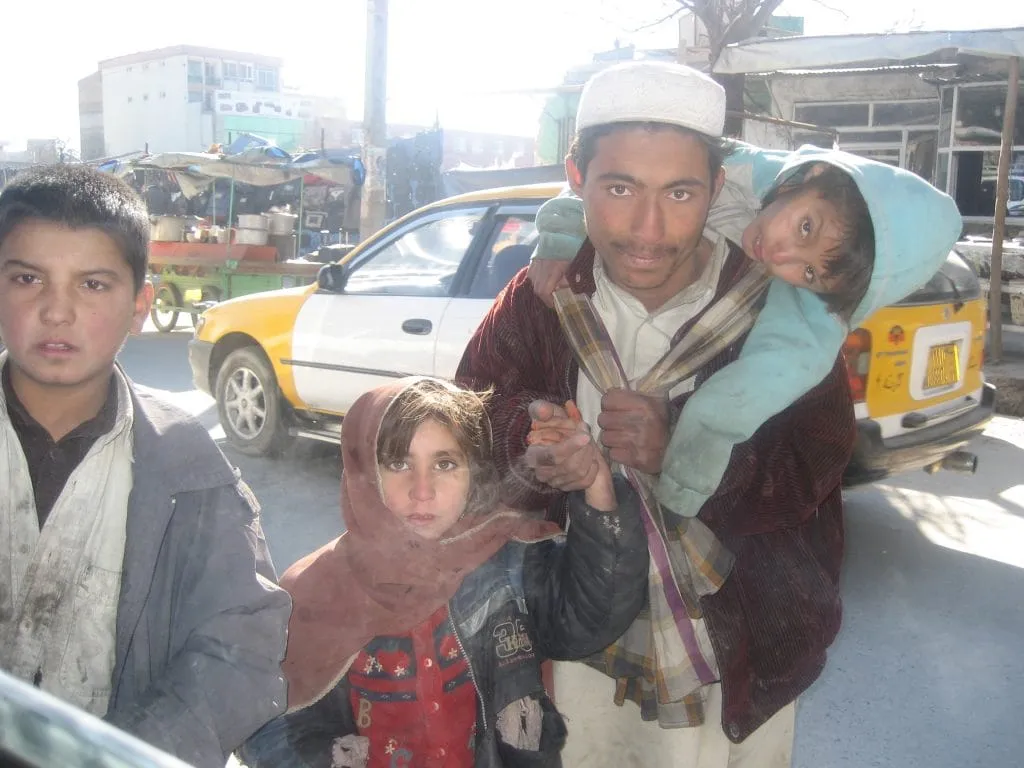
The situation in Afghanistan is also described as a “famine equilibrium”. Although the situation has partly stabilized, many people still depend on humanitarian aid in order not to starve.
In February 2024, around 15.8 million people – almost 40 % of the population – were affected by acute food insecurity. Among them were 5 million people, including 3.2 million children under five, who suffered from acute malnutrition. Data from the World Food Programme show that the share of the population affected by food insecurity had declined over the course of 2023, but has risen slightly again since then.
Various UN organizations, individual countries and NGOs are trying to mitigate the effects of the crisis through aid programs. Nevertheless, the number of people dependent on aid remains high: in 2022 it was 24.3 million, and in February 2024 still 23.7 million.
A serious problem arises from the Taliban laws of December 2022, which prohibit Afghan women from working for NGOs and international organizations. Many aid projects have had to be discontinued since then, while others no longer reach female-headed households in particular. These make up around 10 % of all households in Afghanistan. Because of the strict gender segregation in the country, it is barely possible for aid organizations without female staff to gain direct access to these families (Bamf 2024a).