Chapter 2
The background to the war
Geography, geopolitical position and the interests of neighbouring states — the causes without which the war in Afghanistan cannot be understood.
On this page
- 2.1 The geography of Afghanistan
- 2.2 The geographical and geopolitical position
- 2.3 The interests of the neighbouring states
- 2.3.1 Pakistan, the “Durand Line” and the Pashtunistan conflict
- 2.3.2 Post-Soviet states, Iran, Russia and China
- 2.4 Historical review
- 2.4.1 The present-day Afghan national territory
- 2.4.2 The “golden” years of Afghanistan
- 2.4.3 The role of ethnic groups in the intra-Afghan level of conflict
- 2.5 History of the religions
- 2.5.1 Religions and Islamisation
- 2.5.2 The path to Islamic fundamentalism
- 2.6 The role of women in Afghan society
- 2.6.1 The position of women in the 20th century
- 2.6.2 The “golden” years of Afghanistan
- 2.6.3 The position of women in the period of the Islamic Republic (2001-2021)
- 2.6.4 The position of women since 2021
The geography of Afghanistan
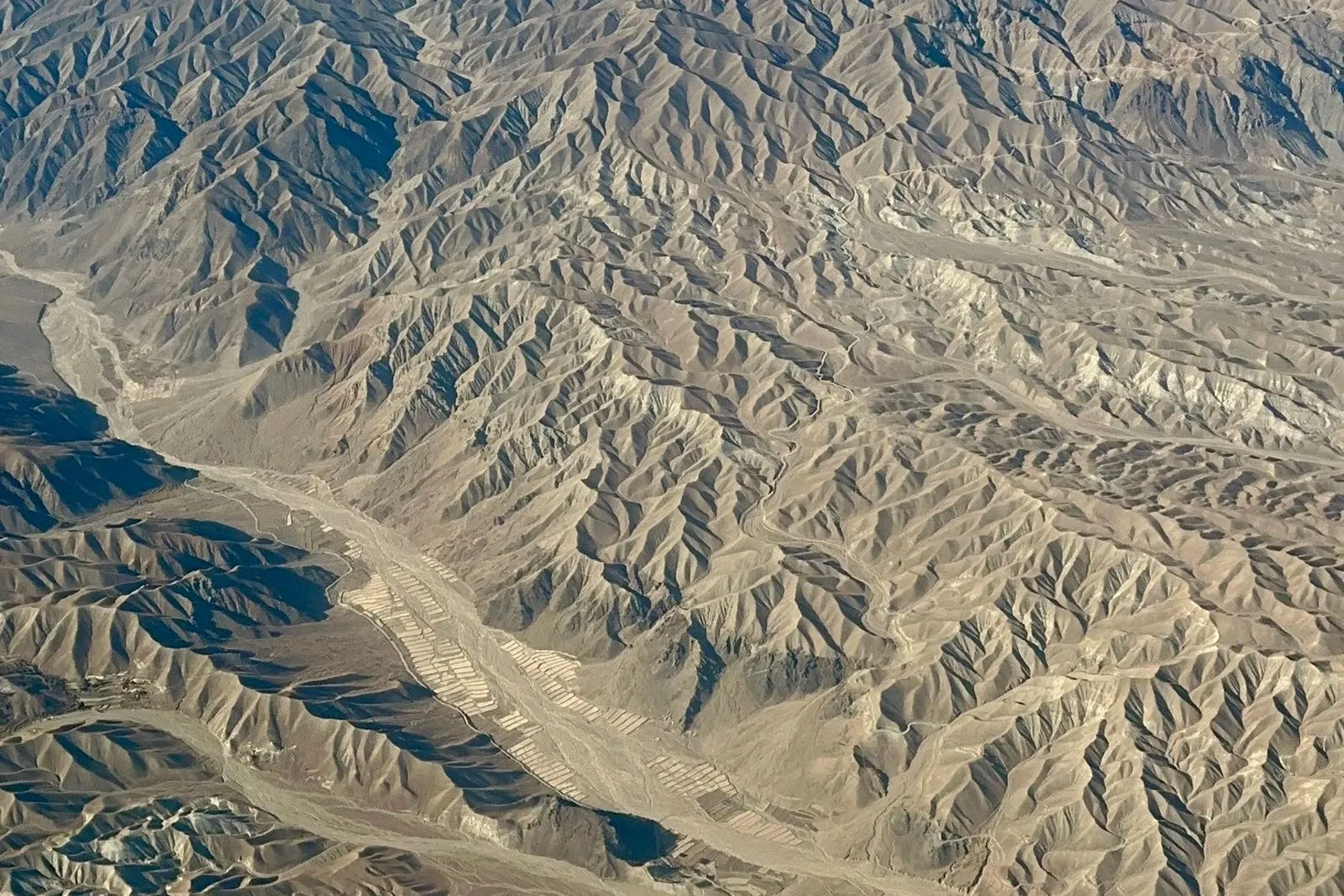
Geographically, Afghanistan cannot be clearly assigned to Western Asia, Central Asia or the Indian subcontinent.
The country lies rather at a geostrategic pivot point at which impulses from the three cultural spheres of Iran, India and Central Asia converge in cultural, economic and political terms (Wilde 2018).
Afghanistan is a mountainous country without access to the sea and has an area roughly twice the size of that of the Federal Republic of Germany.
The nature of the country can be perceived on the one hand as fascinating, but on the other hand also as forbidding: the mountains and high mountain ranges are rugged, while deserts and steppes offer hardly any natural habitat.
More than 90 % of the area lies more than 600 metres above sea level, so that only around one tenth is usable for agriculture (Hermann 2022).
In the past, Central Asia functioned as an international hub.
Goods from all points of the compass were moved through here, borders were overcome and humanity was connected on a global level.
The renowned scholar Avicenna acted as a mediator between the schools of thought of Greek antiquity and of Islam.
Through him, a renewed reception of Aristotle took place in Europe.
Although historical commonalities exist, Afghanistan as well as the Chinese western province of Xinjiang are not taken into account in the political understanding of the Central Asia region (Krumm 2007).
The geographical and geopolitical position
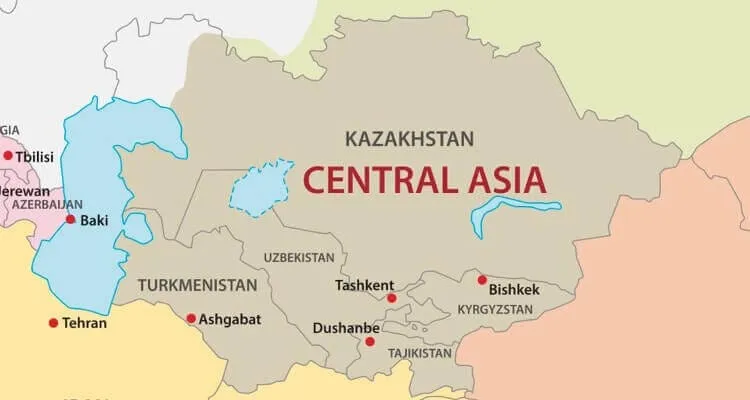
The history of Afghanistan is strongly shaped by its geopolitical position at the intersection of great powers.
In the present day, too, the country is surrounded by a large number of states, including Pakistan, Iran, China and Russia as well as the post-Soviet states of Central Asia, Turkmenistan, Uzbekistan and Tajikistan (Hermann 2022).
Afghanistan is situated in a geopolitically significant position in which the power-political spheres of influence of various states overlap – with a total population of 4.65 billion people, which corresponds to around 59.3 percent of the world’s population.
In the coming years, too, Afghanistan will be subject to the constraints of its geographical position and will continue to find itself in the field of tension of regional power constellations (Julian Voje 2014).
The interests of the neighbouring states
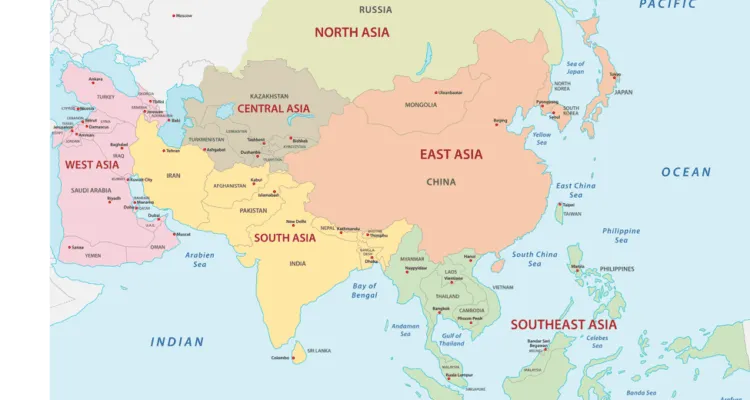
With the beginning of the “war on terror” on 11 September 2001 and the removal of the Taliban that came with it, the regional spatial power constellation underwent a significant change. As a result, other states sought to gain a foothold in Afghanistan, which additionally destabilised the country in the Hindu Kush (Julian Voje 2014).
Pakistan, the “Durand Line” and the Pashtunistan conflict
The Durand Line, a demarcation line established in 1893 in the course of English colonial rule, represents the first and to this day effective drawing of a border between Afghanistan and present-day Pakistan. It directly touches the foundations of nation states in a region that had previously undergone entirely different ethnic, historical and administrative developments. For the tribal population this border has so far had only slight relevance and was never ratified on the Afghan side. Rather, the tribal areas are perceived as barely controllable retreat and transit zones (Clemens 2004).
Pakistan has pursued its own goals in Afghanistan since the 1980s. The driving force was always the desire for “strategic depth”, in order to have retreat zones available in the event of a war with India. In the context of the “War on Terror”, the USA granted the then Pakistani ruler Pervez Muscharraf a kind of general authority over the shaping of Pakistani policy in Afghanistan (Julian Voje 2014).
Post-Soviet states, Iran, Russia and China
Since the renewed seizure of power by the Taliban in August 2021, an intensification of economic contacts can be observed. The relations with Afghanistan’s neighbouring states in Central Asia as well as with Iran, Russia and China have expanded in particular.
A more stable Afghanistan is regarded as a sales market and transit country for profitable infrastructure projects, among them oil, gas and power lines as well as rail connections. The Central Asian states above all hope thereby to gain access to the ports on the Indian Ocean.
Planned and ongoing projects include:
Rail lines between China and Peshawar (Pakistan) via Kyrgyzstan, Uzbekistan (Termez) and Afghanistan (Mazar-i-Sharif and Kabul).
Plans for a closer transport connection of Tajikistan to Iran via Afghanistan.
The realisation of a rail connection between Iran and Herat, which is already far advanced.
Energy exports from Uzbekistan, Kyrgyzstan and Tajikistan to the Pakistani and Indian market.
The CASA-1000 energy project (megawatt connection between Central and South Asia), supported again by the World Bank in 2023.
The planned completion of the TAPI gas pipeline (Turkmenistan–Afghanistan–Pakistan–India), with which Turkmenistan could open up access to new markets (Mielke 2024).
Historical review
The present-day Afghan national territory
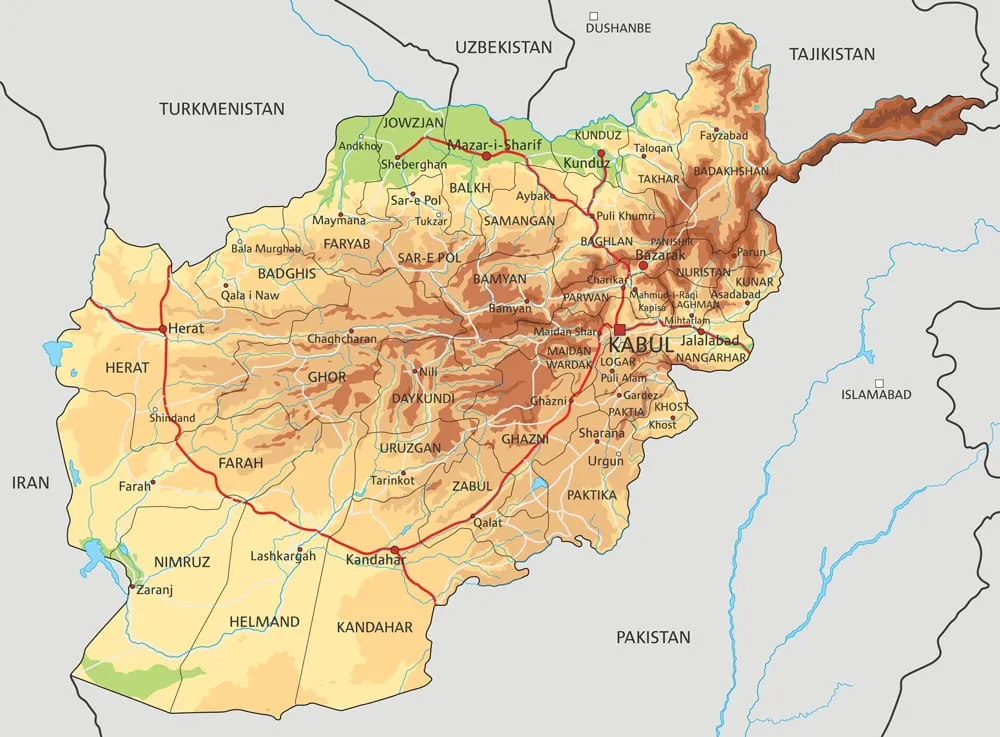
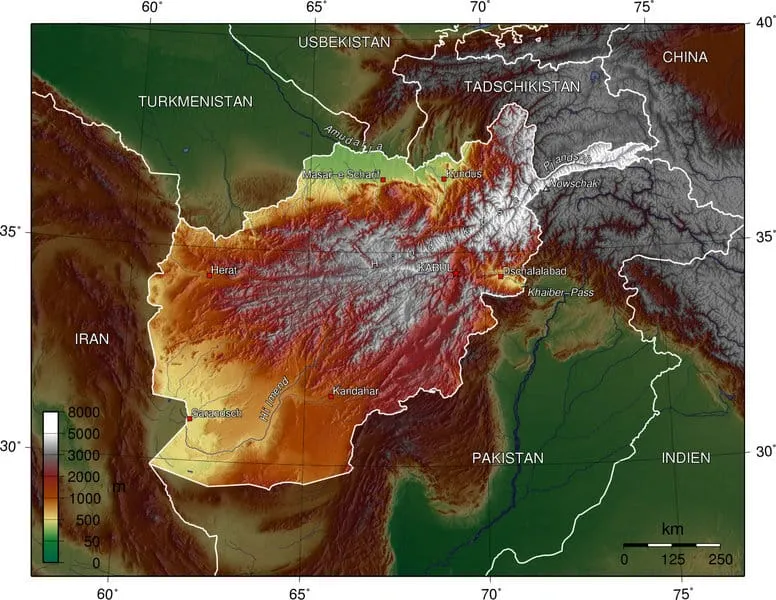
The designation “Afghanistan” for the present-day national territory is historically still relatively young. Afghan historians endeavour to locate the origins of their country as early as early antiquity. In doing so, ancient “Ariana”, medieval “Khorasan” and modern “Afghanistan” are presented as links in an unbroken chain that were connected with one another across centuries and merged into a single historical unit.
Afghan historiography dates the emergence of the modern nation state to the year 1747, when Ahmad Schah Durrani founded the Durrani dynasty, which lasted until the fall of the last king, Sahir Schah, in 1973. This view, however, reflects reality only to a limited extent: the empire of Ahmad Schah Durrani did not bear the name Afghanistan, nor did it possess institutions of modern statehood.
A more plausible date for the beginning of Afghan national history is rather the reign of Abdurrachman (1880–1901). In this epoch, the British and Russian colonial powers provided the semi-autonomous protectorate of Afghanistan with fixed political and territorial borders. Within these borders, Emir Abdurrachman was given the opportunity to build up state structures.
The term “Afghanistan” (“land of the Afghans”) was originally used by the Persians to designate the domains and tribal areas of the Pashtuns situated south and south-east of the Hindu Kush as well as in the north-west of present-day Pakistan. For the political centre around the old trading city of Kabul, by contrast, the designation “Kingdom of Kabul” was in use.
At the beginning of the 19th century the British adopted the term in its Persian variant. In the course of the second half of the century, “Afghanistan” increasingly established itself as the official name of the country. At the beginning of the 19th century, however, the region so designated lay further to the north and west than the present-day national territory, since the British-Indian troops had advanced beyond the Pashtun tribal areas. Although they were able to occupy additional territories for a time, they were ultimately driven back.
As a consequence of this failed expansion, a buffer zone without overarching rule established itself between Russia, British India and Persia. The regions combined within it were from then on known under the name “Afghanistan” (Chiari 2020).
The “golden” years of Afghanistan
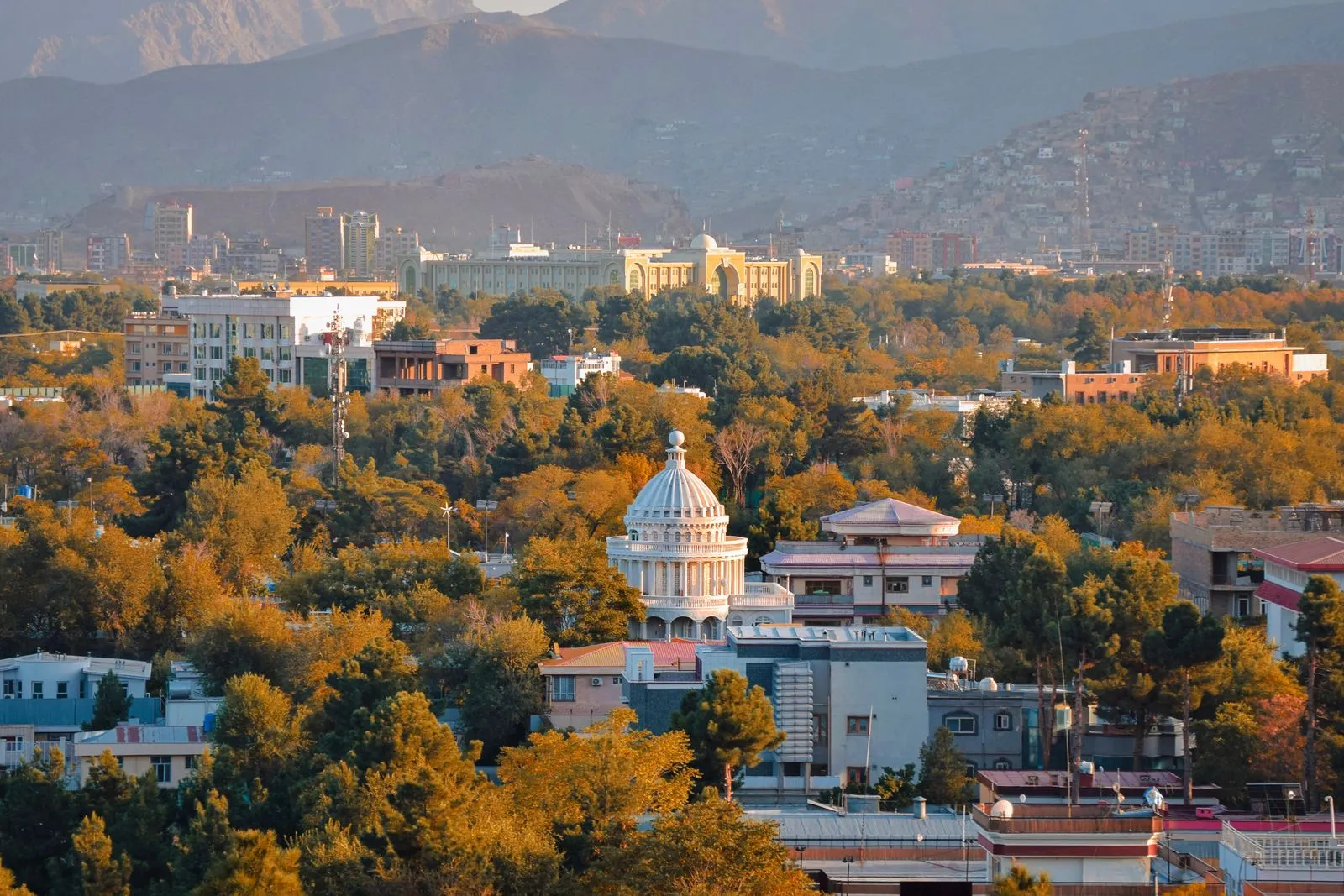
The dating of the beginning and end of the so-called “Golden Age” of Afghanistan varies in the scholarly literature. Some historians include the entire period of rule of Zahir Schah (1933–1973), while others date the end only to 1978 or set a more narrowly defined period from the mid-1950s to 1973.
The 1960s in particular are frequently regarded as the high point of this “Golden Era”. In research it is considered a symbol of Afghanistan’s stability, modernity and prosperity. This assessment proves to be only partly accurate, however: the Golden Years were based on a fragile foundation.
The generous development aid of the USA and the Soviet Union did enable economic growth and promoted liberal reforms. But when this aid money dried up and internal conflicts increased, the young democratic institutions quickly collapsed again.
The “Golden Years” can therefore also be understood as an analogy: even in its most stable phase, Afghanistan did not succeed in building up sustainable structures that would have corresponded to the standards of a modern democratic state (Stojek 2023).
The role of ethnic groups in the intra-Afghan level of conflict
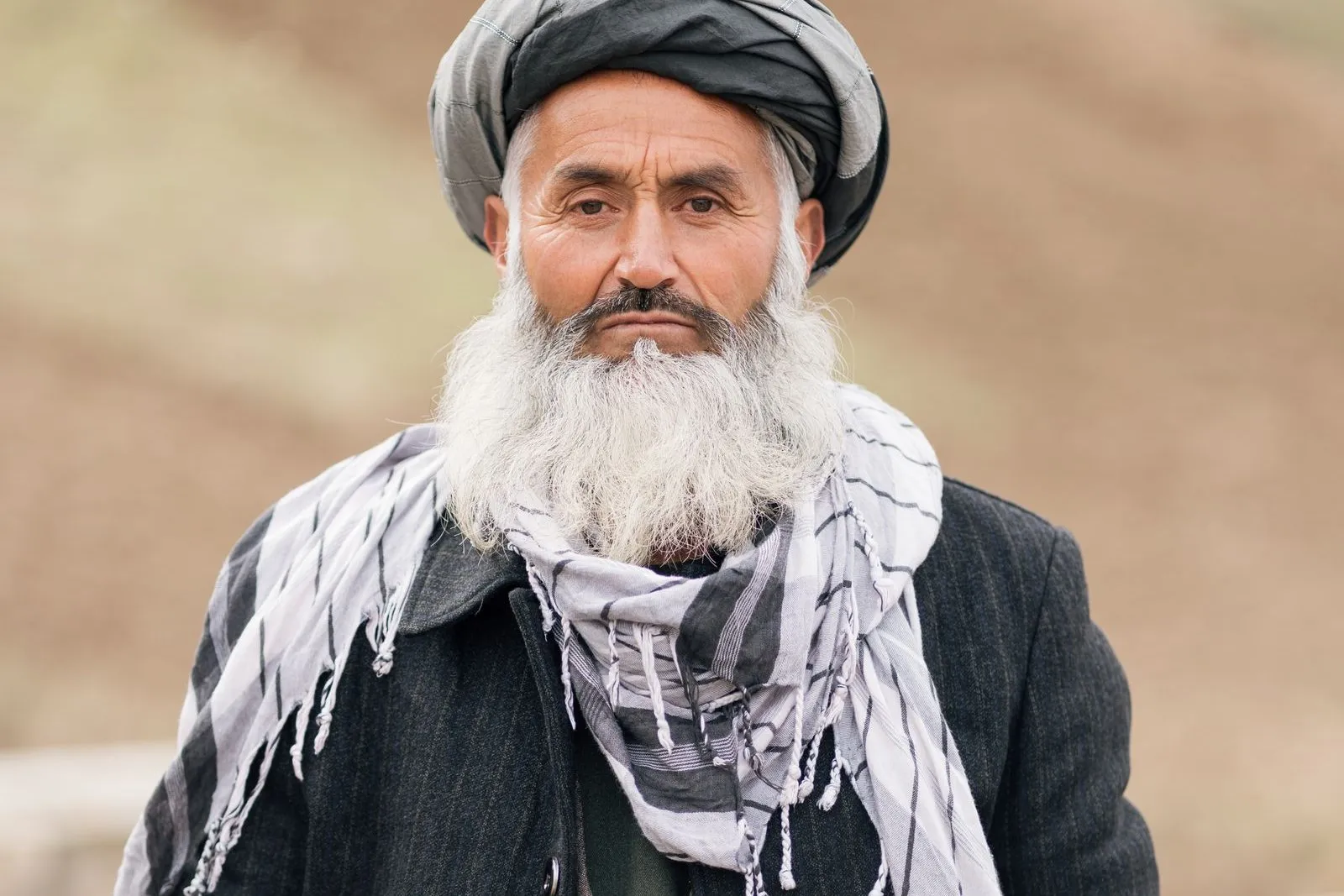
The geographical and topological conditions of Afghanistan are marked by an impressive diversity, which is also reflected in the population. As an interface between West Asia, Central Asia and the Indian subcontinent, the country displays to this day a remarkable cultural diversity of languages, denominations and ethnic groups.
A precise delimitation of the individual peoples is, however, barely possible. A considerable part of the Afghan population does not even know the name of the ethnic group to which it counts itself. It follows from this that there is neither a uniform Afghan identity, nor a clear number or spatial assignment of the ethnic groups.
Afghan society is shaped by a multitude of tribal structures. In their form these structures appear almost biblical: communities as a rule define themselves through a common ancestor, whereby it is assumed that all members of a tribe are related to one another. Such a tribe is divided into sub-tribes, which in turn are subdivided into smaller subtribes and clans.
During the phase of Western engagement (2001–2021), no Afghan government succeeded in consolidating a national identity or in mitigating the ethnic differences. Instead, a policy dominated that favoured members of one’s own tribe and practised nepotism. This condition has continued with the renewed seizure of power by the Taliban (Brenner 2024; Hermann 2022).
History of the religions
Religions and Islamisation
Pre-Islamic religions and cultures
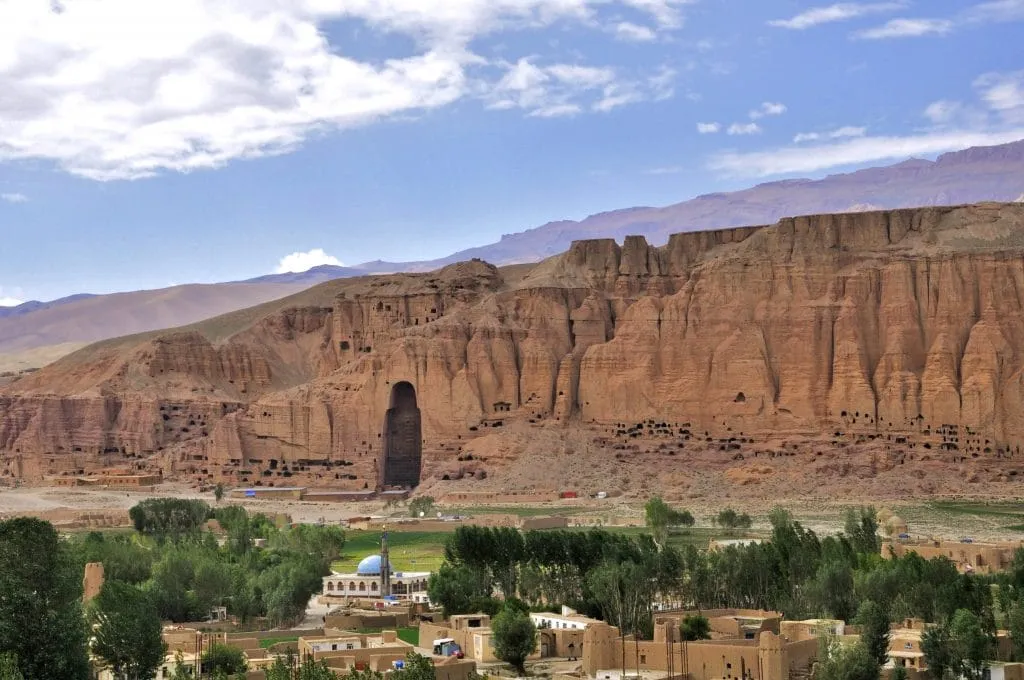
In pre-Islamic times, the peoples of present-day Afghanistan were adherents of various religions, among them Zoroastrianism, Buddhism, Brahmanism as well as the cult of Mithras. These faiths were closely connected with highly developed cultures which took on specific forms. Even then, agriculture and irrigation systems were far advanced, and trade with India and China also flourished.
By comparison, the Arabs lived as Bedouins in less developed conditions. Superstition, witchcraft and sacrificial practices were widespread there. For Arab societies, Islam therefore meant a civilising reform movement. In Afghanistan, however, the conquests led primarily to a destruction of existing cultural assets (Baraki 2002).
Islamisation of Afghanistan
The plains between Herat and Sistan (today Nimruz province) were already conquered in the middle of the 7th century; their population was soon Islamised.
In Kabul, Islam only prevailed in the 10th century.
The mountainous country of Ghur remained untouched during the Arab expansions; Islamisation took place here only in the 11th century.
The population east of Kabul only became Muslim in the 16th century,
Nuristan finally only at the end of the 19th century (Chiari 2020).
Lived Islam in Afghanistan
As in other countries, a heterogeneous diversity of Islamic forms is also evident in Afghanistan. This “culture of ambiguity” was already part of everyday life before the more recent conflicts.
Non-Muslim minorities such as Sikhs, Hindus and Jews also lived – despite discrimination – in coexistence with Sunni and Shiite Muslims.
Many scholars regarded differences in interpretation and practice not as a problem, but as an expression of God’s mercy (ekhtelaf-o ommati rahma).
In the heyday of Islamic culture (750–1250) – with centres such as Baghdad – this diversity was evident in art, science and research.
Even in the early period, various readings of the Quran and Sharia existed alongside one another without their divine origin being called into question.
Scholars always understood their interpretation of the law (Ijtihad) as an individual interpretation, not as the “one true Islam”.
In this way a plurality of opinions and practices was respected in Afghanistan over centuries (Mielke 2024).
Mystical Islam and Sufi orders
Until the Soviet war, the mystical currents kept their distance from politics and called for tolerance. Only in the civil war did they too seek political influence.
Significant brotherhoods
Naqshbandiyya Founded by Bahaoddin an-Naqshbandi (d. 1389), it spread first in Central Asia. In Afghanistan it is widespread above all among Tajiks of urban centres and some Pashtun tribes.
Qadiriyya Founded by Abd al-Qadir Gilani (d. 1166, Baghdad). Established in Afghanistan in the early 20th century.
Chishtiyya Founded by Moinoddin Muhammad Chishti (d. 1236). Centre in Herat, influence far beyond Afghanistan as far as India.
Role in everyday life
The Olama as religious authorities often maintained relations with mystical orders. Many were open towards music and contacts with other religions. Poets too – especially those with a mystical orientation – held high standing: their poems were regarded as an interpretation of the Quranic message.
Mystical poetry and its impact
Hafez (1320–1389): Called for magnanimity towards friends and tolerance towards enemies.
Saadi (1190–1283): Described humanity as a single shared body: “The children of Adam are made of one substance …”
Maulana Jalaloddin Balkhi (Rumi, 1207–1273): Saw love as the main force of the universe and overcame religious boundaries.
Abdolqader Bidel Dehlavi (1645–1721)
An important representative of mystical poetry, highly revered in Afghanistan.
Member of the Qadiriyya order, active in the Mughal Empire.
His works were recited like Quranic verses, explored in depth in readings and discussions.
Ostad Muhammad Hosain Sarahang (1923–1982) made Bidel’s ideas popular with his music.
His philosophy (“Vahdat al-vojud” – unity of existence) shows the ambiguity of being.
To this day Bidel is revered in Afghanistan by a large readership (Poya 2012).
The path to Islamic fundamentalism
Islamic fundamentalism and the role of the Olama
Today Afghanistan is often associated with Islamic fundamentalism, backward-looking religiosity and medieval ways of thinking and living (Poya 2012).
The role of the Olama in the political history of Afghanistan
In the political history of Afghanistan, religious actors, in particular the official bearers of Islam – the so-called Olama – played a far-reaching role. They were central factors in the formation of opinion and political orientation of the population. Political elites therefore always endeavoured to win the approval of the Olama for their government decisions.
At times, however, the Olama were instrumentalised, including for policies that stood in contradiction to Islamic principles.
Example: Amir Abdurrahman Khan (1881–1901), known as the “Iron Emir”, relied on fatwas of the Olama to persecute religious and ethnic minorities. Some even supported the expropriation of religious endowments.
By contrast, Amanullah Khan (1919–1929) lacked the backing of the Olama. His liberal reform plans – among them the ban on slavery, freedom of religion and opinion as well as compulsory schooling for girls – were rejected by influential scholars such as Fazl Omar Mojaddadi (Hazrat-e Shur Bazar) and described as un-Islamic.
The popular uprising thereby triggered finally led to the fall of Amanullah.
Although the Olama thus exercised considerable influence, they were formally regarded rather as a religious authority and not as an independent political power (Poya 2012).
The manifestation of Islamic fundamentalism in wartime
War was frequently used in Afghanistan as a means of asserting religious interests. Religion at the same time served as a basis of legitimation for violence and led to the manifestation of fundamentalist currents.
Already in the “decade of the constitution” (1963–1973), the first Islamist groupings emerged in Kabul in order to oppose left-leaning student movements.
“Young Muslims” (javanan-e mosalman)
“Islamic Society” (jameyyat-e islami)
Their leadership cadres – among them Gholam Muhammad Neyazi (d. 1978), Borhanoddin Rabbani (1940–2011), Golboddin Hekmatyar (b. 1947) and Ahmad Shah Massud (1951–2001) – were strongly shaped by the ideology of the Muslim Brotherhood, conveyed via Al-Azhar University in Cairo.
Later these actors led not only the resistance against the Soviet Union, but also bloody battles against one another, which intensified further after the Soviet withdrawal.
Mystical brotherhoods too, such as the Naqshbandiyya (Sebghatollah Mojaddadi), the Qadiriyya (Pir Sayyed Ahmad Gailani) and the Chishtiyya in Herat, took an active part in the resistance – and likewise became entangled in the “dirty fratricidal wars” of the Mujahideen.
In the course of the conflict, the logic of war became the dominant principle of action, which also seized religious actors. The place of mystically inspired poetry by Maulana (Rumi) or Bidel was increasingly taken by the ideology of fundamentalist thinkers such as Sayyid Qutb (1906–1966) and Abu Ala Maududi (1903–1979).
The financial and military support of external actors over decades contributed decisively to fundamentalist interpretations of Islam gaining influence in Afghanistan and finally becoming the dominant current (Mielke 2024).
The role of women in Afghan society
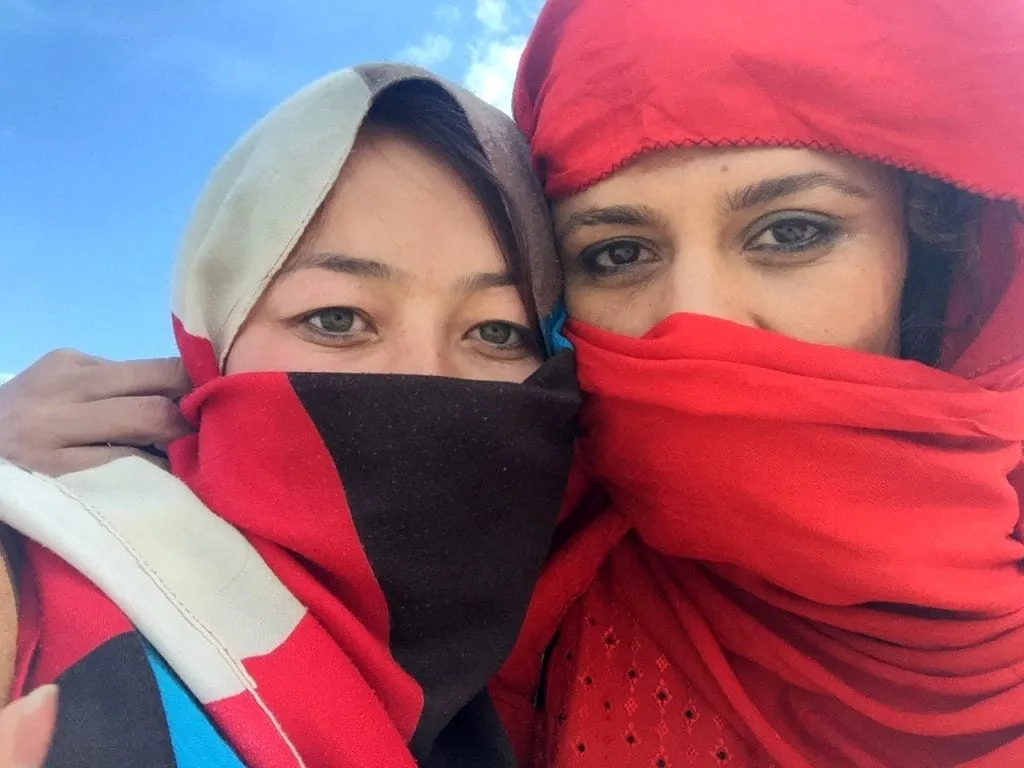
The data situation on Afghanistan must overall be described as extremely precarious, since there are hardly any reliable statistics. This problem is particularly evident in the analysis of the situation of women. Precisely those women who take part in public life only to a small extent or not at all are barely reachable. Individual cases therefore often have greater explanatory value than statistics, since they show the diversity of possible living realities.
The limited state power, particularly in rural areas, means that the actual legal reality frequently does not correspond to the statutory provisions. Rather, local power structures as well as social and religious norms shape everyday life. These differ greatly from region to region, are mostly not documented and are therefore difficult to comprehend from the outside.
In addition there is a significant discrepancy between the living conditions of women in urban centres and in rural areas. These differences are evident in numerous factors such as socio-economic status, level of education, ethnic affiliation and religious convictions (Bamf 2024b).
The position of women in the 20th century
In the situation of arbitrary violence, the Taliban succeeded in seizing power in large parts of Afghanistan and in enforcing their legal conceptions. They did not issue a new constitution, but invoked Sharia and formulated individual laws, among them the “Ordinance concerning the rights and duties of women” of the year 1996.
This provided that women were permitted to leave their house only accompanied by a male relative and had to wear a chadri (burqa) while doing so. Attending schools as well as pursuing gainful employment were forbidden to them. An exception applied only to women in the healthcare sector, who were allowed to treat other women.
At the same time, the Taliban prohibited certain traditional practices, such as forced marriages for conflict resolution (baad) or the marrying of widows to the brother of the deceased.
The implementation of their rules lay in the hands of the “vice and virtue police”. The punishments were drastic: stonings for alleged adultery, floggings for violations of dress regulations (such as an ankle becoming visible) or even the chopping off of a thumb for the use of nail varnish. An appeal against these judgments was not provided for (Bamf 2024b).
The “golden” years of Afghanistan
The position of women in Afghan society was a political issue throughout the entire 20th century. On the one hand this concerned the international standing of Afghanistan: rulers used the women’s question in order, on the one hand, to present themselves as modern and Western-oriented and thereby to gain prestige vis-à-vis European states, but on the other hand also to secure independence by setting themselves apart from Western standards.
Already in the late 19th century, King Amir Abdul Rahman (1880–1901) issued the first legal and judicial system valid nationwide. It contained, among other things, the compulsory registration of marriages, the ban on marrying off girls against their will before the onset of puberty, as well as the ban on marrying widows to the brother of the deceased.
The first Afghan constitution under King Amanullah (1919–1929) likewise provided for the obligation to register marriages, prohibited child marriages and regulated polygamy, which was only to be possible with judicial approval. Amanullah also emphasised the necessity of education for women. The public appearance of his wife Soraya without a veil, however, led to massive protests and finally to his fall.
Under Nadir Shah (1929–1933), Amanullah’s reforms were withdrawn, so that Islamic law dominated again. Only Zahir Shah (1933–1973) introduced reforms once more with the constitution of 1964: it guaranteed the equality of men and women as well as the active and passive right to vote for women. In the 1960s the number of women in administration, courts, parliaments and universities increased markedly, and the joint teaching of men and women was also introduced. In the cities a visible presence of women without headscarves increasingly became apparent.
After the fall of Zahir Shah through Daoud Khan in 1973, reforms were implemented once again, among them the ban on forced marriages and marriages for conflict resolution as well as the introduction of divorce rules. These advances, however, affected almost exclusively the urban middle and upper class. For the majority of women – particularly in rural regions – hardly anything changed: they remained excluded from education, political participation and the legal innovations.
The reforms led to strong social tensions. Many saw in them a dangerous Western influence that threatened Islamic values. Thus in 1968 some members of parliament attempted to prohibit women from studying abroad, which led to one of the first public women’s demonstrations. In 1970 conservative clerics in Kabul demanded compulsory veiling and the end of secular education for women, but likewise met with protest. Even among students there were advocates of compulsory veiling; the group Javanan-e Musulman (later Hezb-e Islami) is said to have even carried out acid attacks on liberally dressed women.
With the seizure of power by the pro-Soviet People’s Democratic Party of Afghanistan (PDPA) in 1978, “Decree No. 7” was proclaimed. It prohibited marriages under the age of 16 and set a low maximum bride price. Its partly violent implementation is regarded as one of the triggers for the protests that finally led to the Soviet intervention of 1979, even if it cannot be considered the sole justification.
In the 1980s there were only minor legal adjustments. In the areas controlled by the government, women were increasingly integrated into education and the labour market. In regions shaped by war, by contrast, their opportunities remained severely restricted. In this phase women also played an active role in the resistance, most prominently through the organisation RAWA (Revolutionary Association of the Women of Afghanistan), which fights for women’s rights to this day.
With the beginning of the civil war in 1992, educated and working women experienced a drastic regression. The transitional government of the Mujahideen prohibited women almost entirely from taking part in public life. De facto, however, no uniform legal order prevailed: local commanders and councils (shura/jirga) decided on conflict resolution, with draconian punishments such as stonings and floggings being part of everyday life (Bamf 2024b).
The position of women in the period of the Islamic Republic (2001-2021)
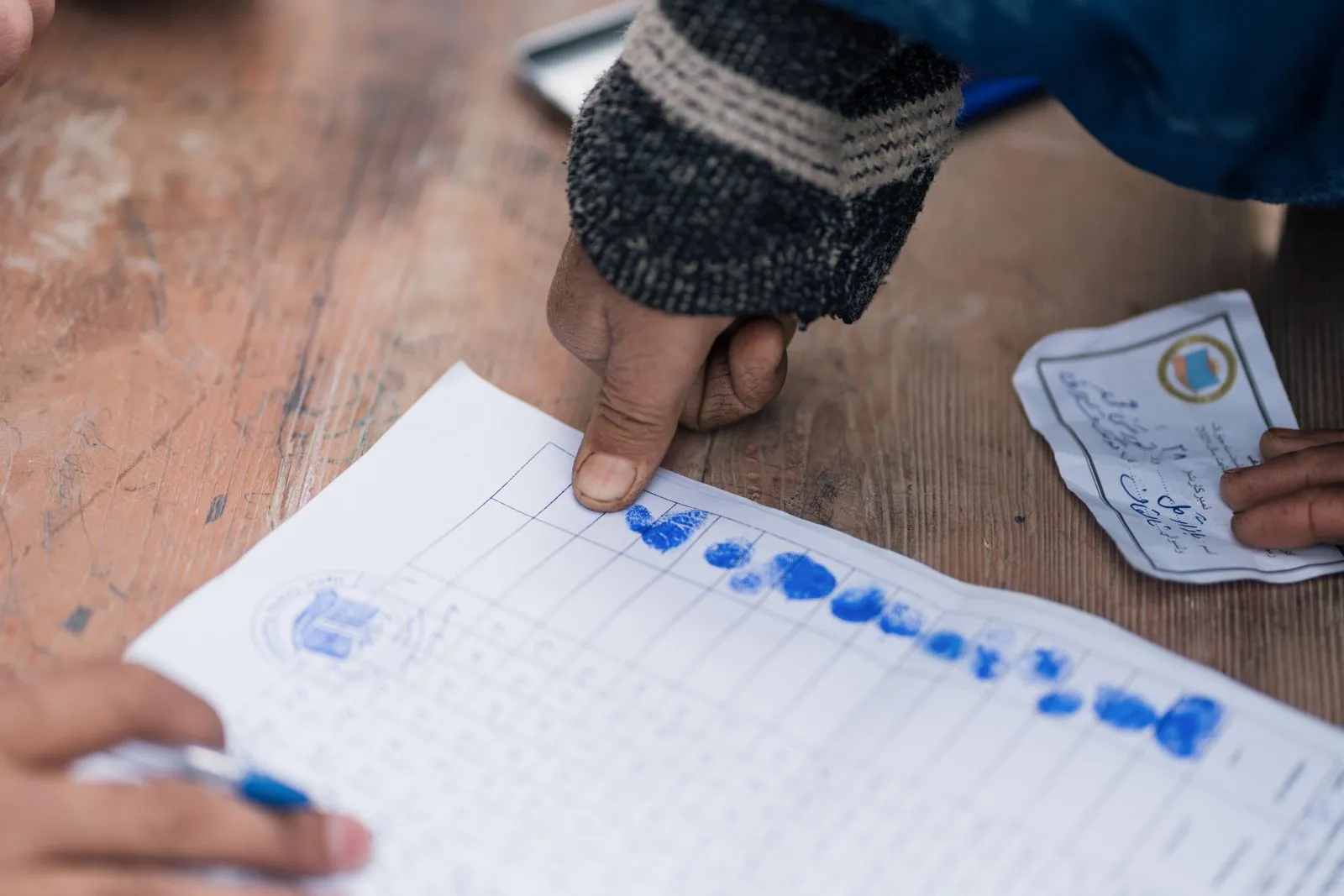
In the course of the reorganisation of the political system after 2001, a Ministry for Women was established in Afghanistan. Even if its influence remained limited, the topic of women’s rights thereby came into focus again. The legal situation of women in the Islamic Republic of Afghanistan followed on in many respects from the situation before 1992.
The constitution proclaimed in Article 22 the general equality of men and women, but in practice the legal situation often remained unclear and was implemented very differently from region to region.
An important change came in 2009 with the adoption of the “Law on Elimination of Violence against Women” (EVAW) by the president. Although Afghanistan had already signed the Convention on the Elimination of All Forms of Discrimination against Women (CEDAW) in 2003, there had previously been no legal basis for punishing gender-based violence. The EVAW law created for the first time a framework for prosecuting violence against women under criminal law. Previously, rape had been treated merely as zina – that is, as sexual contact outside marriage as defined by Sharia.
The implementation of the law, however, remained of limited effect. Since it was issued only as a presidential decree and was never confirmed by parliament, it did not apply nationwide as binding law. Even after a renewal of the decree in the year 2018, it was in many places not applied consistently (Bamf 2024b).
The position of women since 2021
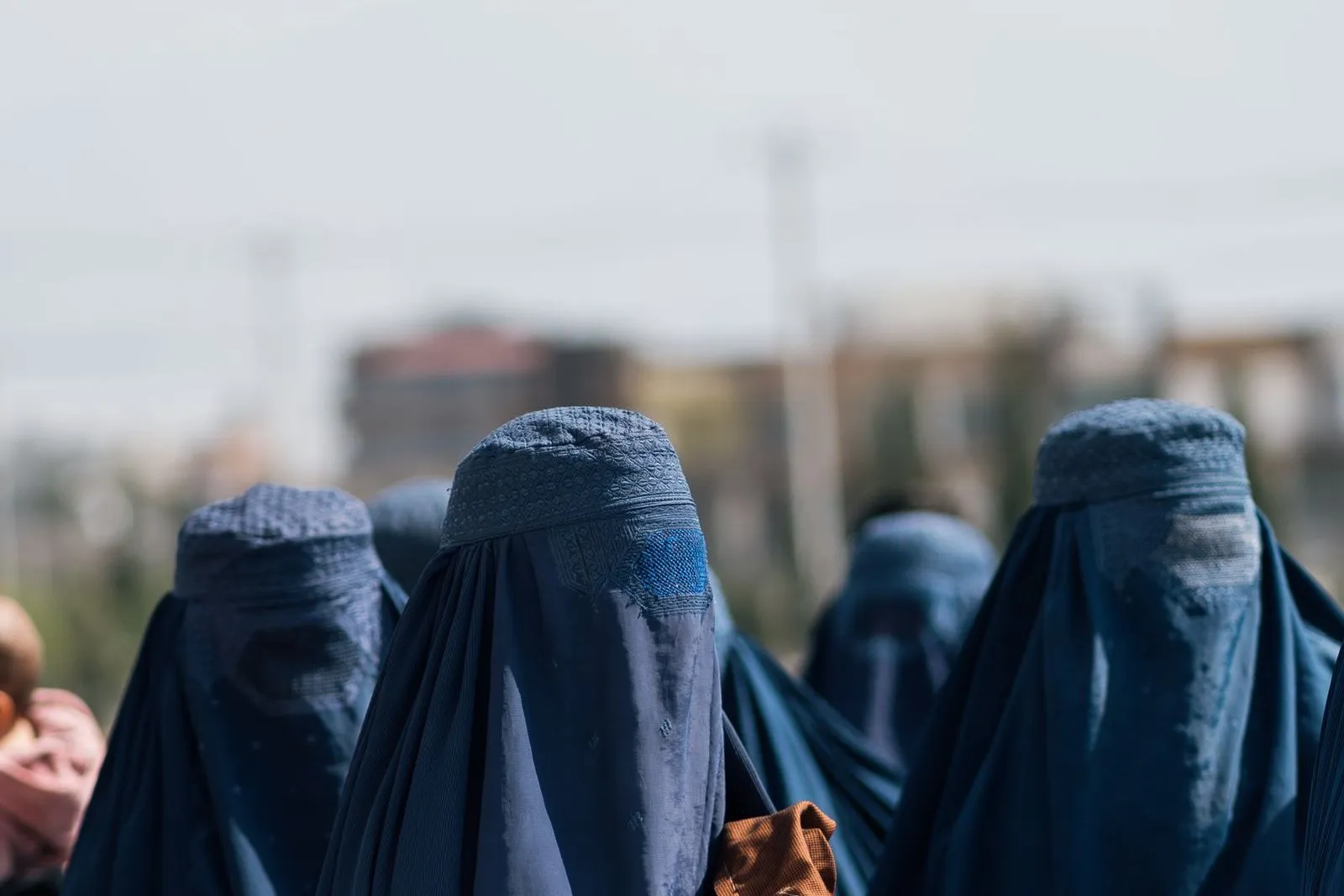
Shortly after the seizure of power, Taliban spokesman Zabiullah Mujahid announced the equality of men and women at a press conference. At the same time, however, the Taliban emphasised that they would enforce women’s rights exclusively within the framework of the Islamic legal order. Shortly afterwards the Ministry of Women’s Affairs was dissolved and replaced by the Ministry for Prayer and Guidance and for the Promotion of Virtue and the Prevention of Vice (short: Ministry of Virtue). This ministry had already borne responsibility for public floggings and stonings in the years 1996 to 2001.
Since the renewed seizure of power, the Taliban have issued numerous decrees and instructions that massively restricted the rights of women. The announcement of these rules takes place through various channels – speeches, social media, loudspeaker vehicles and news broadcasts. The formulations are frequently vague; terms such as “violation of Sharia”, “in accordance with Islam” or “hijab” remain undefined, which leads to legal uncertainty and arbitrary interpretation.
The “virtue law” published on 31 July 2024 provides, among other things, the following provisions for women:
-
Obligation to cover the body.
-
Obligation to cover the face.
-
Ban on the voice in public (no singing, reciting, speaking loudly).
-
Clothing may not be “thin, short or tight”. Women must also conceal their bodies from non-Muslim women and “perverse women”.
-
Ban on contact and on looking between unrelated men and women.
-
Women may leave their house only for an urgent reason – and then only veiled, silent and accompanied by a mahram (direct male relative).
Already during the conquest of Afghanistan, Taliban commanders in numerous districts ordered that women may leave the house only accompanied by a mahram. By decree of 26 December 2021, drivers were required to transport women only with a hijab; a clear definition, however, was not given. Women were also prohibited from travelling more than 72 kilometres without a mahram. In practice, women already had to leave buses or taxis within cities if they were noticed at checkpoints without male accompaniment. Since April 2022 women have been prohibited from flying without a mahram. On 7 May 2022 followed the instruction that women should if possible no longer leave their house at all.
Women who disregarded these rules were repeatedly stopped, threatened, arrested or tortured. In some cases the Taliban did not recognise an accompanying person as a mahram. On 5 May 2022 the issuing of driving licences to women was officially prohibited. Previously it had been customary for women to drive cars themselves. Already in September 2021 the Taliban had imposed a sports ban on women; since the end of December 2021 women were not allowed to visit any sports or health facilities without a mahram. On 10 November 2022 followed a general ban on the entry of women to sports venues, leisure parks and public baths. In addition, the display of images of women in public was prohibited.
In addition to national regulations, provincial departments of the Ministry of Virtue also issued their own rules. Some decrees were addressed to the international community by providing for women’s rights only formally, without producing any practical effect.
Such as the decree of 3 December 2021, which regulated women’s rights in the area of marriage. It stated:
Women, including widows, may not be married against their will.
The marriage of minors (not clearly defined) is prohibited.
Widows possess a right of inheritance.
Polygamous men must treat their wives equally.
This decree is criticised for making no reference to education, work or political and social participation of women. Moreover, in practice it is not applied (Bamf 2024b).