
AfA Today · Topic 6
Humanitarian Situation
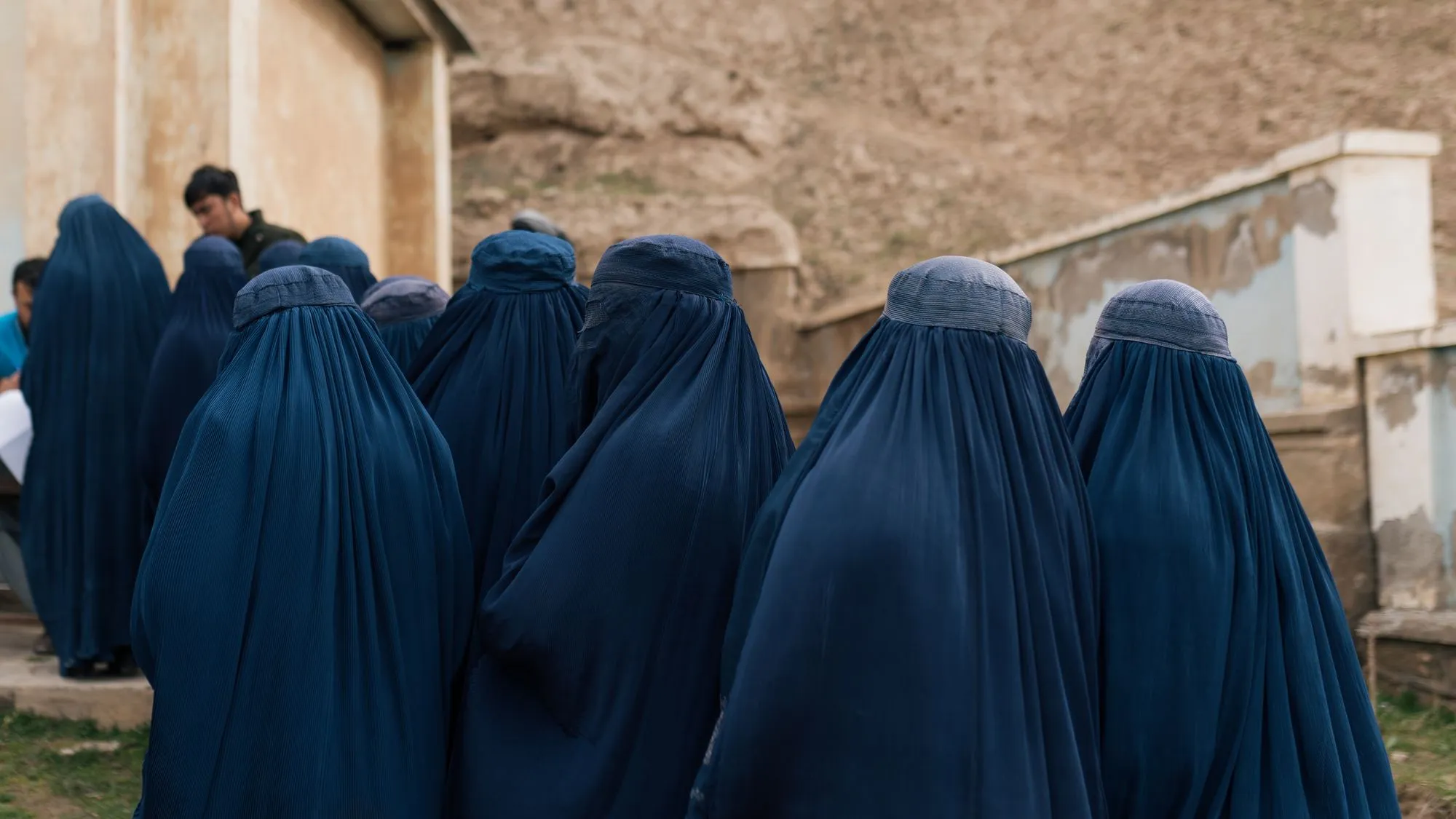
In 2026, the humanitarian situation in Afghanistan has escalated into one of the most severe crises in the world. International observers speak of a permanent, fatal “starvation equilibrium”: although sporadic aid deliveries prevent immediate mass deaths, they keep the population in a lasting, wretched dependency at the lowest level of provision.
Historic peak in the poverty rate
- Dependency and cuts: As early as 2023, 62 % of all households did not have a sufficient budget for food. In 2026, poverty is more deeply entrenched than ever before. The main drivers are drastic cuts in international aid – UN aid funding for Afghanistan fell by 16.5 % in 2025/2026 – coupled with persistent periods of drought and the uncontrolled influx of millions of returnees.
- Living in existential nothingness: Currently, three in four people – around 28 million individuals – are unable, by their own means, to meet basic needs such as food, clean water, heating fuel and clothing (UNDP 2026).
- Debt spiral: More than 82 % of all Afghan households are extremely heavily indebted, as they have to take out loans to obtain food and survive acute phases of hunger (UNDP 2026).
Rampant food insecurity and malnutrition
The winter lean season dramatically worsened the crisis in 2026. The number of people in acute food insecurity rose to 17.4 million – equivalent to around 36 % of the total population.
The crisis of wasting hits the most vulnerable groups in society particularly hard:
- 3.7 million children under the age of five currently suffer from acute malnutrition.
- 1 million children among them are in the acute zone of severe, immediately life-threatening malnutrition (Severe Acute Malnutrition – SAM).
- 1.2 million pregnant or breastfeeding women are acutely malnourished, which is leading to a drastic increase in serious medical complications during births and in rural clinics.
The collapse of social safety nets
- Overburdened family structures: Throughout Afghanistan’s history, traditional family and tribal networks absorbed state crises, wars and natural disasters (among other things through targeted marriage strategies or migration). The continuing economic exhaustion in 2026 has caused these networks to break.
- Exhausted resources: Since almost all households are becoming impoverished simultaneously and all savings have been used up, there are no longer any resources left for mutual support.
- Isolation of returnees: More than 92 % of families who have returned from abroad report that they find no family or community help whatsoever in obtaining basic necessities, as local networks have simply collapsed and are completely overwhelmed (UNDP 2026).
Sources
- BAMF – Bundesamt für Migration und Flüchtlinge (2026): Länderreport Afghanistan – Wirtschaftliche und humanitäre Lage, Stand März 2026, 16. April 2026, S. 21. ecoi.net
- ZEIT – DIE ZEIT (2026): Einer Million Kinder in Afghanistan droht Tod wegen Unterernährung. August 2026. zeit.de
- TG – The Guardian (2026): Five years into Taliban rule, Afghanistan plunges into a state of collapse – visualised. theguardian.com
- IRC – International Rescue Committee (2026): Five years since the Taliban took control of Afghanistan humanitarian need is at a record high as the response collapses. rescue.org
- UNDP – United Nations Development Programme (2026): Afghanistan Socioeconomic Review. Press release “Record population returns, drought and aid cuts push Afghanistan further into crisis”. undp.org