AfA Today · Topic 8
The Changed Role of the Olama (Religious Scholars)
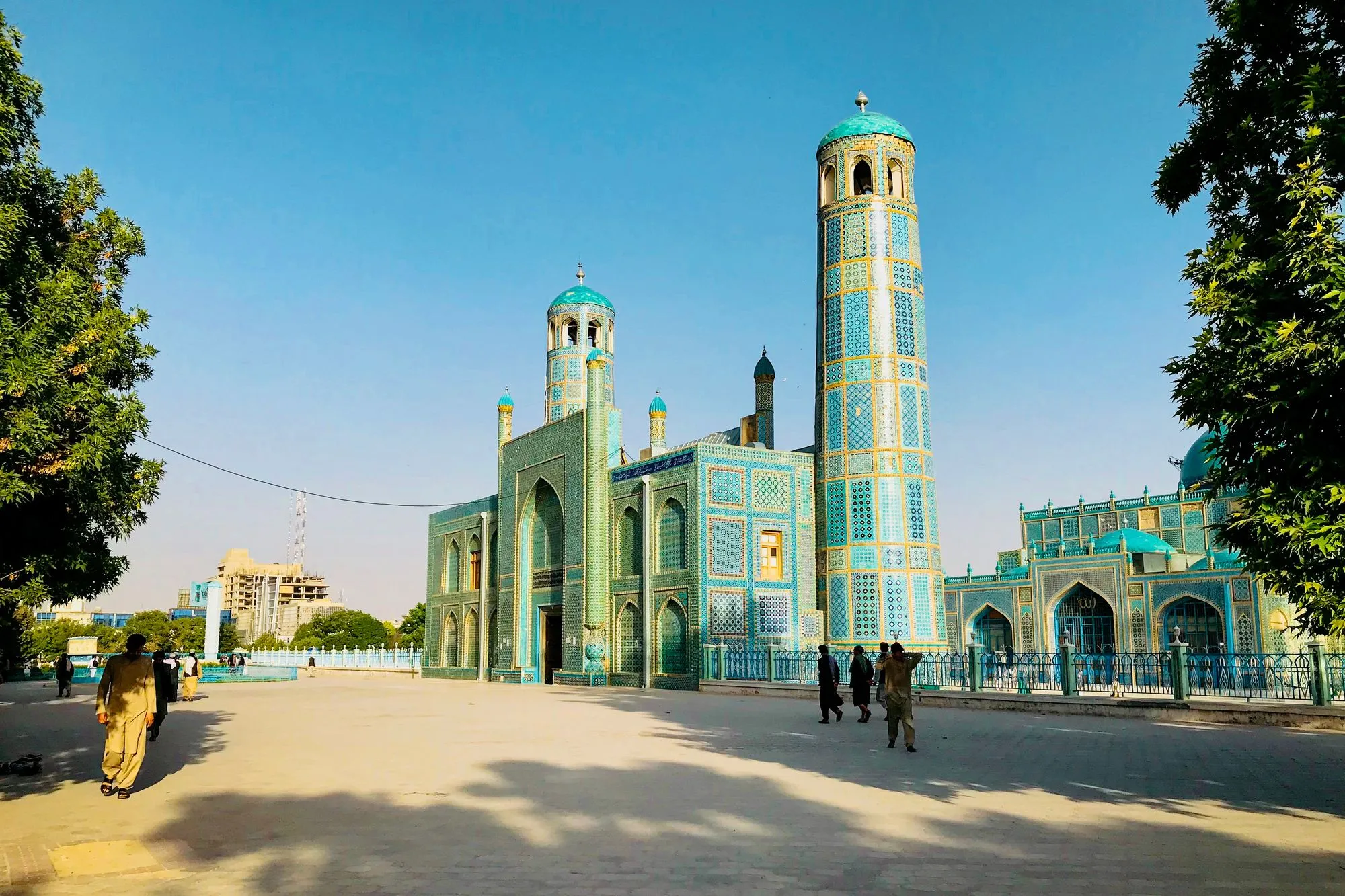
In the political history of Afghanistan, religious actors, in particular the official bearers of Islam – the so-called Olama (religious scholars) – played a far-reaching role. As they were a central authority in shaping the opinions and political orientation of the population, political elites always sought to win the approval of the Olama for their government decisions (Poya 2012).
Historically, they mostly acted as a moral supervisory authority in the background. Since the Taliban takeover in August 2021, however, this role has been fundamentally reversed: the Olama have risen to become the absolute state power.
Historical review: instrumentalisation and moral control
Although the Olama exercised considerable social influence, they were historically regarded formally as a moral-religious supervisory authority rather than as an independent, directly governing political power (Poya 2012). Nevertheless, they were repeatedly instrumentalised by secular rulers for political measures – often in contradiction to Islamic principles:

Amir Abdurrahman Khan (1881–1901): Known as the “Iron Emir”, the ruler deliberately relied on fatwas issued by government-loyal Olama in order to persecute religious and ethnic minorities through the state (Poya 2012; Daudzai 2016). In the course of this, some of these scholars even endorsed the expropriation of religious endowments (Poya 2012).
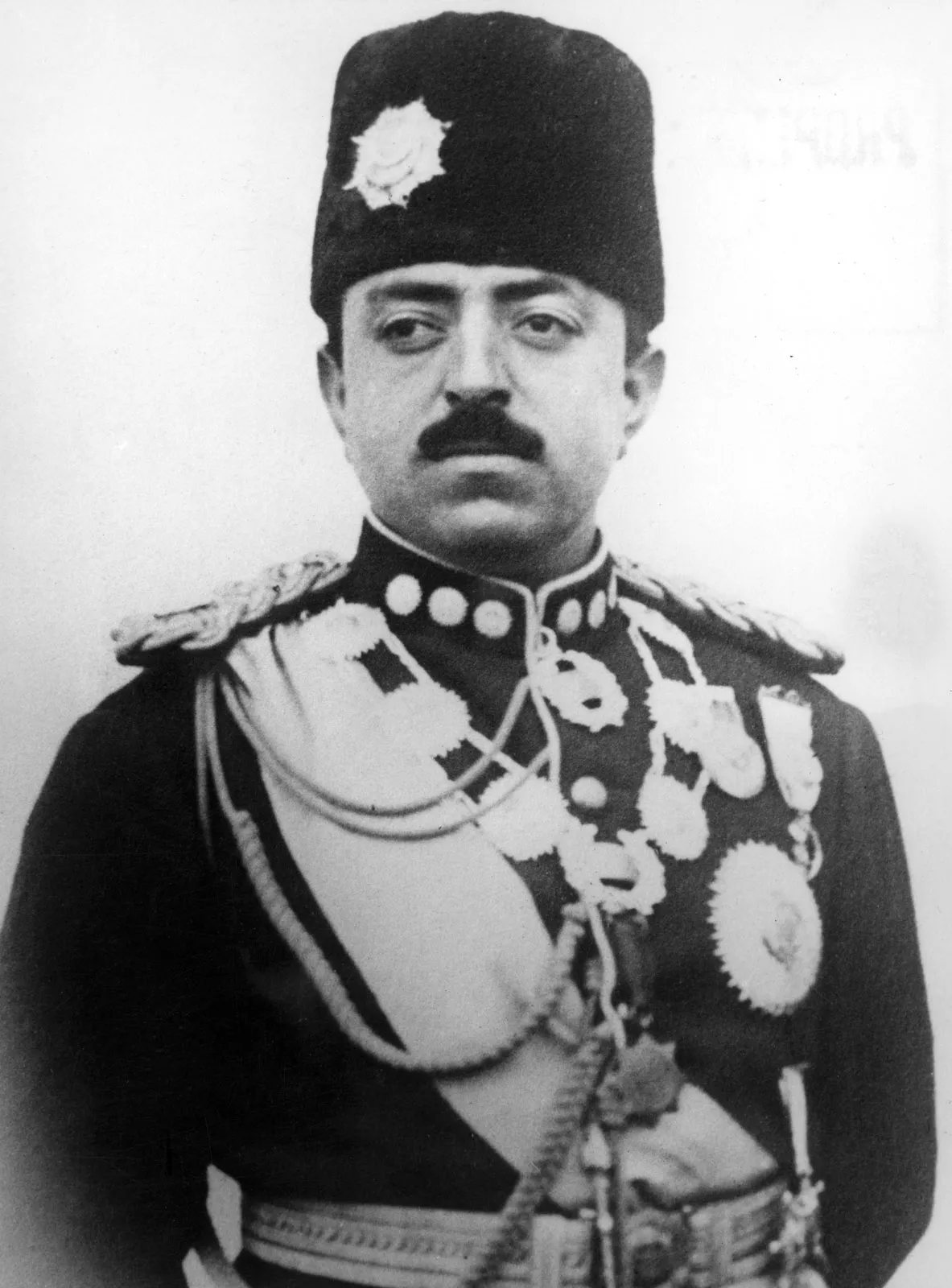
Amanullah Khan (1919–1929): By contrast, the reform king lacked the support of the traditional clergy (Poya 2012). His liberal reform plans – including the prohibition of slavery, the granting of freedom of religion and freedom of opinion, and compulsory schooling for girls – were vehemently declared un-Islamic by influential scholars such as Fazl Omar Mojaddadi (Hazrat-e Shur Bazar) (Poya 2012; Daudzai 2016). The popular uprisings triggered by this religious agitation ultimately led to Amanullah’s violent overthrow (Poya 2012).
Present context: total political fusion since 2021
Since the Taliban’s renewed seizure of power, the historical relationship has been turned into its opposite. The Olama have gone from being an advisory or supervisory authority to being the exclusive foundation of the state’s executive, legislature and judiciary (Cambridge 2025).
Rise to absolute state power
The traditional separation between the secular elite and the religious authority has been completely abolished. At the head of the Islamic Emirate stands the Amir al-Mu’minin (Commander of the Faithful), Hibatullah Akhundzada. He is himself one of the highest-ranking religious jurists in the country and previously headed the movement’s Ulema council (BBC 2016; AFI 2026). His decrees have absolute validity.
Institutionalisation through Ulema councils (Shura-e Ulema)
Powerful, formal councils of clerics have been established in all of Afghanistan’s provinces. These bodies intervene directly in the everyday lives of the population (AFI 2025):
- They steer and control the local administration.
- They appoint judicial officials and judges.
- They monitor the comprehensive and strict enforcement of Sharia laws on the ground.
Criticism and geopolitical rifts within Islamic scholarship
While the ruling Olama in Kandahar and Kabul declare their draconian decrees – such as the total ban on education for women and girls – to be “purely Islamic”, they are under massive international pressure to justify themselves. Human rights organisations accuse the regime of deliberately instrumentalising religion politically in order to secure power structures (HRW 2026).
At the same time, deep rifts are emerging within global Islamic scholarship: recently, renowned foreign theological bodies have also sharply condemned the Taliban’s enacted criminal and morality law as “un-Islamic” (AFI 2026). The criticism is that the regime misinterprets the Quran and the Sunnah, disregards universal Islamic rights (such as the right to education) and thereby deeply divides Afghan society (AFI 2026).
Sources
- AFI (Afghanistan Institute / Operational Reports): Analysen zur Rolle der Shura-e Ulema (2025/2026)
- BBC News: Profile: Mullah Hibatullah Akhundzada (2016)
- Cambridge University Press / Academic Journal: The Transformation of Islamic Governance in Afghanistan (2025)
- Daudzai, A.: The State and Clergy in Afghan History (2016)
- HRW (Human Rights Watch): World Report 2026: Afghanistan & Women’s Rights (2026)
- Poya, A.: Die Rolle der Olama in der politischen Transformation Afghanistans (2012)