AfA Today · Topic 7
Changed Regional Power Constellation
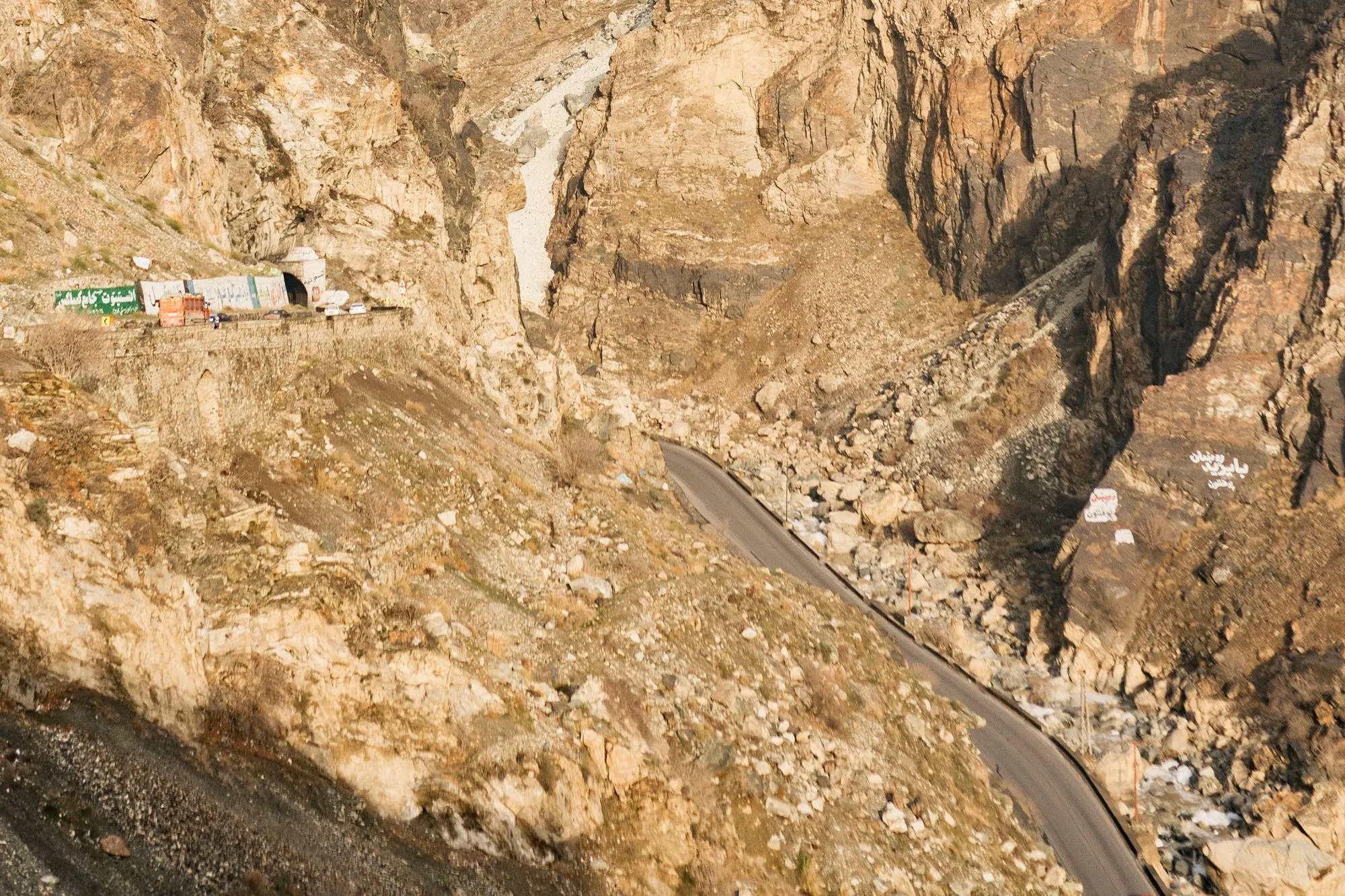
The geopolitical map around Afghanistan has shifted fundamentally in recent years. While the historically close relationship with Pakistan has tipped into open confrontation, new economic and strategic axes towards Central Asia, Iran, Russia and China are gaining massively in importance.
The break with Pakistan: from ally to security risk
After the Taliban’s return to power in August 2021, relations between Islamabad and Kabul underwent a radical reversal. What was once regarded as a strategic partnership has developed into an acute military threat.
- Military escalation: In response to continuing cross-border attacks by the militant Tehreek-e-Taliban Pakistan (TTP) from Afghan safe havens, Pakistan is now carrying out far-reaching air strikes deep inside Afghan territory. Kabul responds with asymmetric counter-attacks and the modern use of combat drones.
- Diplomatic deadlock: Although regional powers repeatedly succeed in negotiating temporary and fragile ceasefires, every attempt at lasting diplomacy fails on the core issue: the Taliban leadership continues to strictly refuse to recognise the Durand Line as the official border.
- Economic collapse of cross-border traffic: The formerly dominant Afghan-Pakistani transit corridor has come to an almost complete standstill due to permanent border closures.
The new regional dynamic: Central Asia, Iran, Russia and China
The breakdown of relations with Pakistan has forced Kabul into a strategic realignment. The regional power constellation, already unstable since the beginning of the “War on Terror” in 2001, is now reorganising itself on pragmatic terms.
- Massive shift in trade flows: As a result of the Pakistani blockades, Afghanistan has consistently shifted its foreign trade to Central Asia and Iran. Imports via Iran have increased rapidly and now account for almost half of Afghanistan’s total import volume.
- Infrastructure, transit and access to the sea: For the post-Soviet Central Asian states as well as for Iran, Russia and China, a more stable Afghanistan primarily offers economic opportunities. It serves as a sales market and a central transit country for infrastructure projects worth billions, including oil, gas and power lines as well as new railway connections. The landlocked Central Asian states in particular hope that this will give them direct, strategic access to the world’s oceans via the ports on the Indian Ocean.
- Pragmatic security cooperation: Despite deep ideological distance, China and Russia in particular are pushing ahead with a realpolitik diplomacy towards the Taliban. In regional forums, the focus is not on political recognition but on hard security interests: effective counter-terrorism and the containment of transnational security risks that could destabilise the entire region.
Sources
- bpb – Bundeszentrale für politische Bildung (2024): Konfliktporträt Afghanistan. Authors: Conrad Schetter and Katja Mielke. In: Dossier Kriege und Konflikte. URL: bpb.de.
- Britannica (2026): The Durand Line Conflict and Taliban Diplomacy.
- Chatham House (2026): The Collapse of Pakistan-Afghanistan Relations and Border Trade Displacement.
- Diplomat (2026): Pragmatic Engagement: China, Russia, and Taliban Security Cooperation.
- SWJ – Small Wars Journal (2026): Drone Warfare and Aerial Strikes: The New Border Reality Between Pakistan and Afghanistan.
- Voje, Heiko (2014): Regionale Neuordnung und externe Akteure in Afghanistan nach 2001.
- World Bank (2026): Afghanistan Economic Monitor: Trade Realignment and Iranian Import Dominance.